
A Practical Snow Blower Maintenance Routine for Every Owner
Keep your snow blower running smoothly with this practical maintenance routine covering pre-season prep, after-use care, and end-of-season storage. Learn about oil, fuel stabilizer, spark plugs, shear pins, belts, and battery care.
 By Harry
Updated October 1, 2026
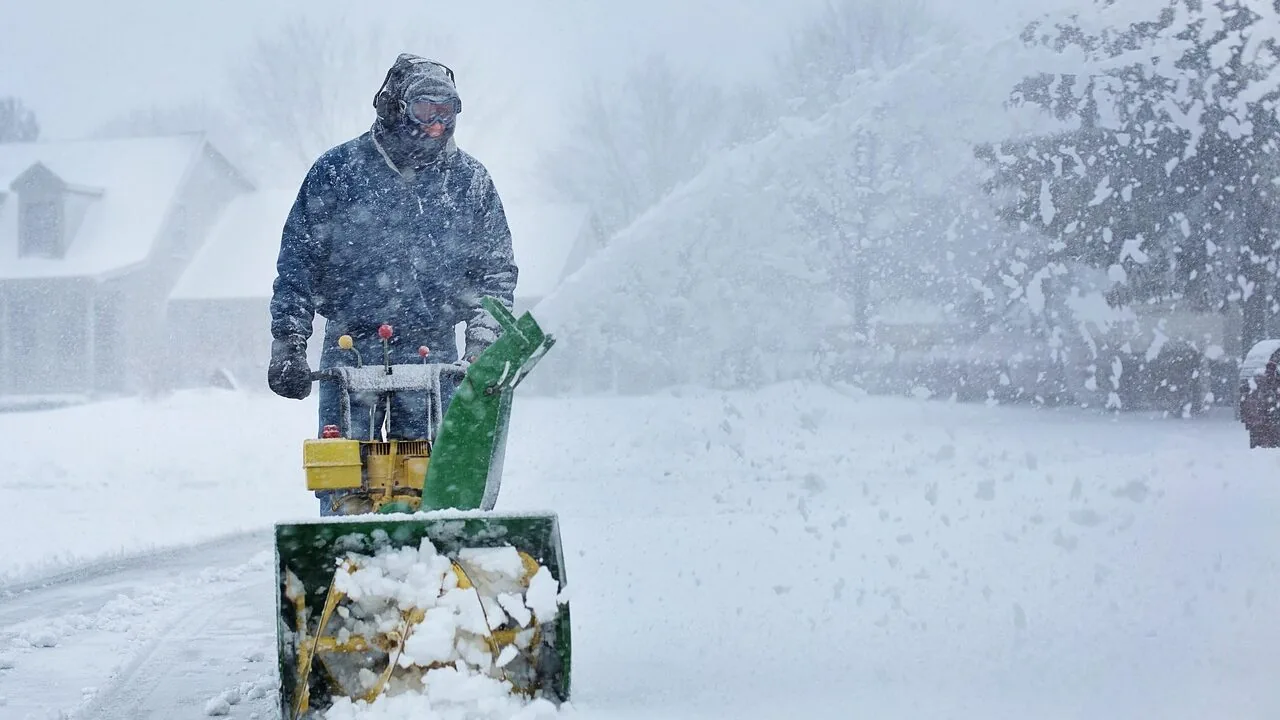
Owning a snow blower is a smart investment for anyone dealing with heavy snowfall. But like any piece of outdoor power equipment, it needs regular care to stay reliable.
The good news is that snow blower maintenance is straightforward and doesn’t require advanced mechanical skills.
A simple routine before the season, after each use, and at the end of winter will keep your machine starting easily and throwing snow effectively for years.
Whether you own a gas model or a cordless electric unit, this guide covers the essential steps. If you’re still deciding which type to buy, our buying guide can help you compare options.
Pre-Season Preparation
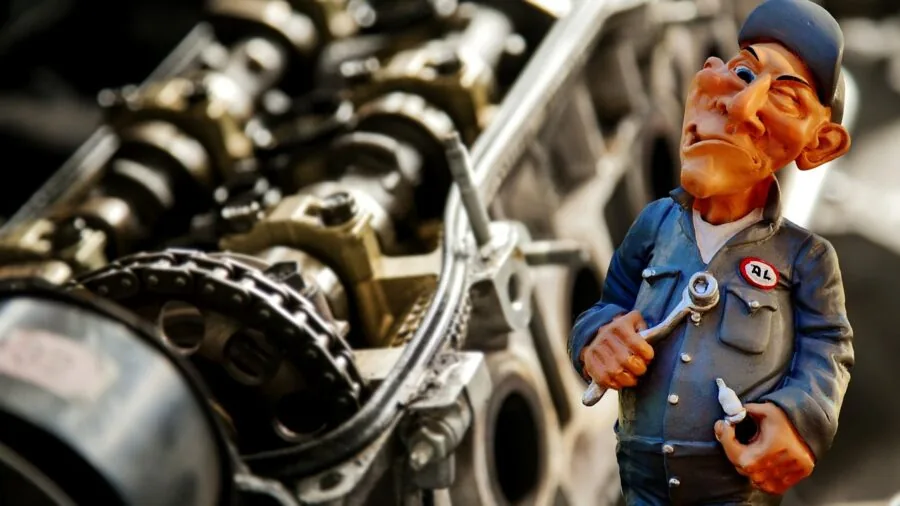
Before the first snowfall, take an hour to inspect and service your snow blower. This prevents mid-storm breakdowns and ensures you’re ready when the white stuff arrives.
Oil Change and Spark Plug
For gas-powered machines, start with an oil change. Old oil loses its lubricating properties and can cause engine wear. Use the weight recommended in your owner’s manual (typically SAE 5W-30 or 10W-30).
Replace the spark plug as well; a worn plug makes starting difficult. This is especially important for older gas snow blower models that may have been sitting all summer.
Fuel System and Stabilizer
If you left fuel in the tank over the off-season, it may have degraded. Drain old fuel and refill with fresh gasoline. Add a fuel stabilizer to prevent varnish and gum formation.
Run the engine for a few minutes to circulate the stabilized fuel through the carburetor. This simple step is the most effective way to avoid carburetor problems later.
Belts, Shear Pins, and Scraper Bar
Inspect the drive belt and auger belt for cracks or fraying. Replace any belt that looks worn. Check the shear pins; they are designed to break if the auger hits an obstruction, so keep spares on hand.
Also examine the scraper bar at the bottom of the housing. If it’s worn down to less than a quarter inch, replace it to maintain close contact with the pavement.
For more on the differences between single-stage and two-stage models, note that two-stage machines often have additional belts and bearings to inspect.
After Each Use
Taking a few minutes after every clearing session prevents snow and ice buildup and extends the life of moving parts.
Clean the Underside and Auger
Wet snow can pack inside the auger housing and freeze, making the next start difficult. Use a plastic scraper or a stiff brush to remove any snow or ice. Never use metal tools that could damage the paint or plastic.
A light spray of silicone lubricant on the auger and chute helps prevent sticking.
Inspect Shear Pins and Skid Shoes
After each use, check the shear pins for damage. If one is broken, replace it immediately with the correct factory part. Also look at the skid shoes on the sides of the housing.
They wear down over time and should be adjusted or replaced to keep the scraper bar at the right height. Worn skid shoes can cause uneven scraping and damage to the machine.
Lubricate Moving Parts
Apply a few drops of light oil to the chute rotation gear, the pivot points on the handles, and any cable ends. This prevents rust and keeps controls operating smoothly.
For cordless models, also wipe down the battery contacts with a dry cloth to ensure good electrical connection. If you own a battery snow blower, keep the battery indoors when not in use to prolong its life.
End-of-Season Storage

When winter is over, proper storage prevents costly repairs next season. This is especially critical for gas machines, but even electric models benefit from a little care.
Gas Engine: Fuel and Oil
Run the engine until the fuel tank is empty, or add a stabilizer and run it for a few minutes before shutting off. Some owners prefer to drain the carburetor as well.
Change the oil after the last use to remove contaminants that accumulated during the season. This is a good time to replace the spark plug again if needed.
For more on the costs associated with different types of machines, see our breakdown of snow blower costs.
Battery Care for Cordless Models
Remove the battery from the snow blower and store it in a cool, dry place away from direct sunlight. Charge it to about 50% before long-term storage. Check the manufacturer’s recommendations; some batteries require periodic charging during the off-season.
If you’re considering switching to cordless, our article on battery-powered snow blowers explains the pros and cons.
General Storage Tips
Clean the entire machine thoroughly, including the chute and auger housing. Store it in a dry, sheltered location like a garage or shed. Cover it with a breathable tarp to keep dust off while allowing moisture to escape.
For electric models, coil the cord loosely and inspect it for cuts or frays. If you own a electric snow blower, check the power cord for damage before storing.
Frequently Asked Questions
How often should I change the oil in my snow blower?
Change the oil at least once per season, ideally at the end of the season before storage. If you use the machine heavily, consider a mid-season change as well.
Do I really need to use fuel stabilizer?
Yes. Fuel stabilizer prevents gasoline from breaking down and clogging the carburetor. It is especially important if you leave fuel in the tank between uses or during storage.
Are snow blowers hard to maintain?
No. Most maintenance tasks are simple and require only basic tools like a socket wrench, screwdriver, and a spark plug wrench. The routine tasks listed above take about an hour per season plus a few minutes after each use.
Even beginners can handle them with the help of the owner’s manual.
How do I know when to replace the shear pins?
Shear pins are designed to break when the auger hits a hard object. If the auger stops spinning but the engine runs, check the shear pins. Always replace them with the correct size and rating specified by the manufacturer.
Can I store my snow blower outside?
It is not recommended. Moisture and temperature extremes can damage the engine, battery, and rubber components. Store it in a dry garage or shed, or at least under a waterproof cover.
About the author

Harry writes reviews and buying guides for Snow Removal Wiki.