
How to Use a Snow Blower on a Gravel Driveway Without Throwing Stones
Learn how to safely clear snow from a gravel driveway using a snow blower. Tips on adjusting skid shoes, choosing single stage vs two stage, and protecting asphalt, concrete, and wood decks.
 By Harry
Updated October 1, 2026
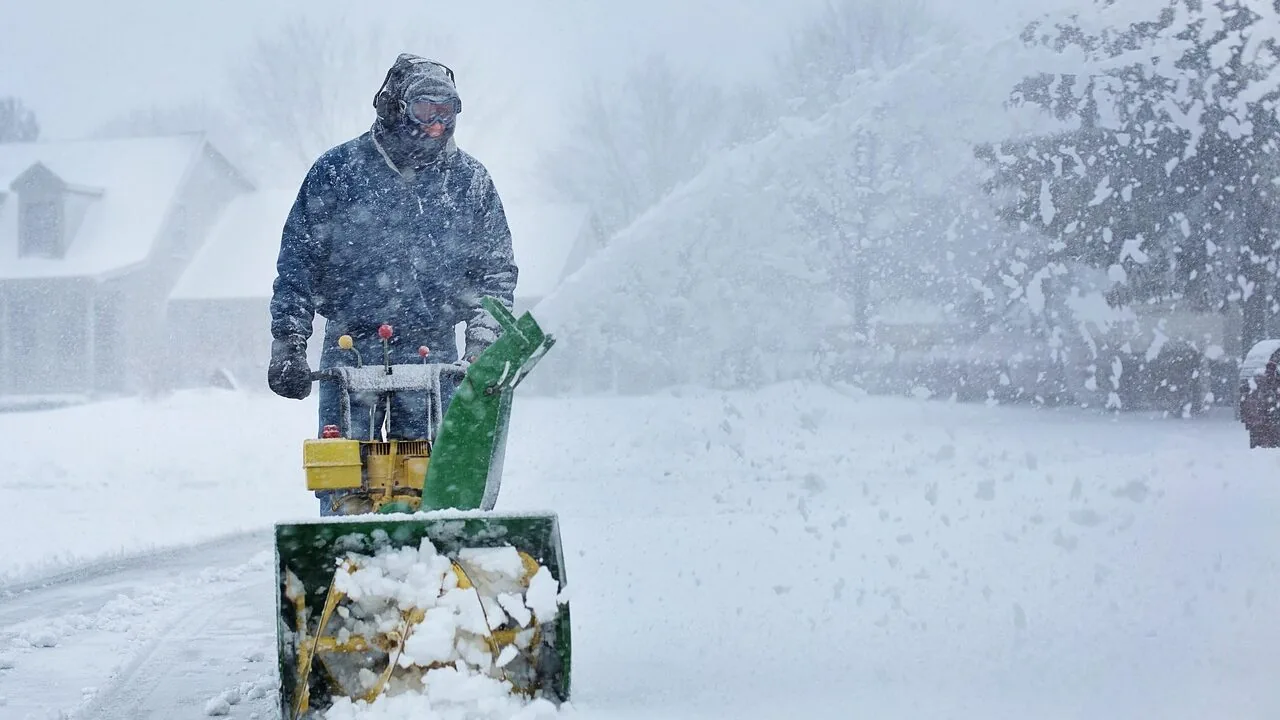
If your driveway is covered in loose gravel, you know the frustration of clearing snow. Every pass with a shovel or a standard snow blower risks launching stones into the yard or worse, into a car window.
The good news is that with the right setup and technique, you can safely clear snow from gravel without damaging the surface or surrounding property.
This guide explains how to adjust your equipment, choose the right machine, and protect other surfaces like asphalt, concrete, and wood decks.
Before diving into techniques, it helps to understand how different machines handle loose surfaces. For a broader overview of what to look for when buying, read our detailed guide on choosing the right snow blower for your property.
Understanding the Challenge: Why Gravel Is Tricky

Gravel driveways sit on a layer of loose stones that can easily be scooped up by a snow blower’s auger. The spinning metal or rubber paddles grab the snow, but they also grab anything underneath.
When the machine throws that material, it can damage cars, windows, siding, and even the driveway itself. The key is to prevent the auger from contacting the gravel in the first place.
The risk is higher with certain types of snow blowers. Understanding the differences between single stage and two stage models will help you decide which machine is better suited for your gravel surface.
Raise the Skid Shoes: Your First Line of Defense
Skid shoes are the metal or plastic runners on the sides of your snow blower. They determine how low the scraper blade sits above the ground. For gravel, you want the skid shoes set to their highest position.
This raises the entire housing so the auger and scraper blade ride above the stones, leaving a thin layer of snow on the driveway. The remaining snow pack protects the gravel and acts as a buffer.
Most snow blowers have adjustable skid shoes with multiple holes. Raise them to the topmost setting before the first snowfall of the season. Check them periodically because they wear down over time.
If you need to replace them, look for heavy duty skid shoes that last longer.
Choose the Right Machine: Single Stage vs Two Stage
Not all snow blowers perform equally on gravel. Single stage machines rely on a spinning rubber paddle that presses the snow against the ground and then throws it upward.
This design keeps the paddle in direct contact with the surface, which can grab and throw stones.
If you already own a single stage model, raising the skid shoes and keeping a thin snow layer helps, but a two stage machine is generally a better choice for gravel.
Two stage snow blowers have a steel auger that feeds snow into a second impeller, which then throws it out the chute. The auger sits higher off the ground, and the scraper blade can be adjusted higher as well.
This reduces the chance of picking up stones. Many homeowners find that a gas powered snow blower with two stages offers the best combination of power and control on uneven gravel surfaces.
Electric options are also available. A battery powered snow blower can work well on smaller gravel driveways, especially if it has an adjustable scraper blade. For larger areas or heavy snow, a corded model provides continuous run time.
Check out our review of the top corded electric snow blower for more details.
Adjust Your Technique: Speeds and Angles
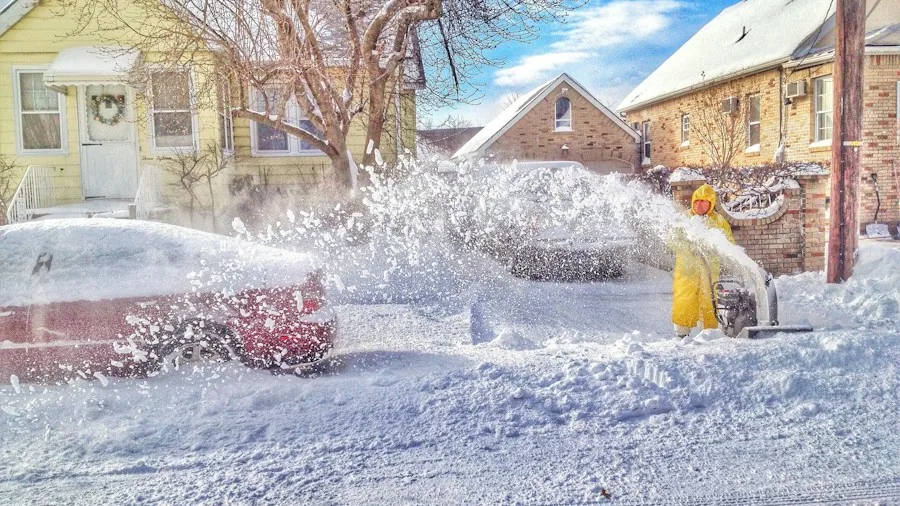
Even with the right machine, your technique matters. Move at a slow, consistent speed to give the auger time to grab snow without digging into gravel. Avoid aggressive starts and stops.
If you have a chute deflector, aim it away from windows, cars, and pedestrians. Consider using a smaller clearing width on the first pass; this reduces the load and allows the machine to lift rather than dig.
Some owners find that adjusting the angle of the chute slightly upward helps throw stones less, because the material has a higher trajectory and drops harmlessly. Experiment with different chute positions on a clean patch of snow to see how your machine handles loose stones.
Protect Other Surfaces: Asphalt, Concrete, and Wood Decks
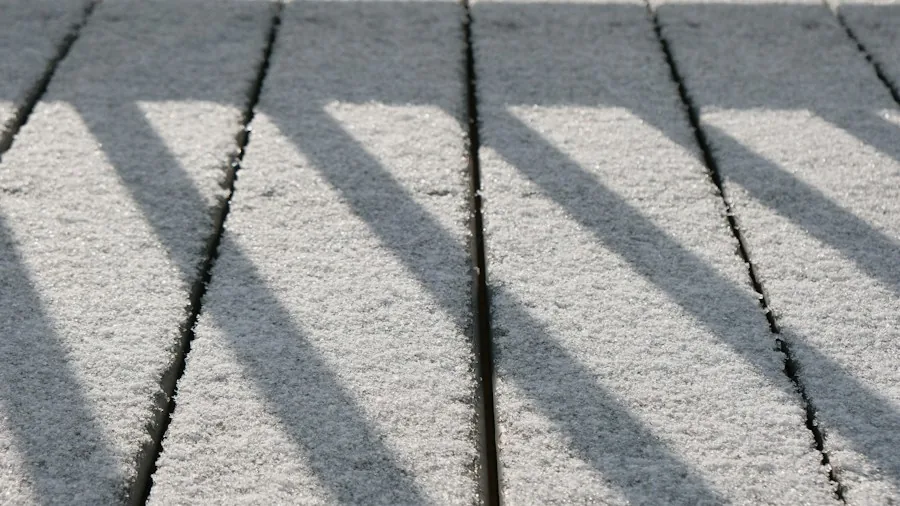
Snow blowers can damage more than just gravel. Asphalt driveways are vulnerable because the scraper blade can dig into the surface, especially if the asphalt is old or cracked. Raise the skid shoes slightly to avoid scraping the blacktop.
Concrete is harder but still susceptible to scratching from metal blades, particularly on new or porous surfaces. Use plastic skid shoes or attach a rubber wear strip to the scraper blade to minimize damage.
Wood decks require special care. Never use a metal auger or metal scraper blade directly on wood, as it will gouge and splinter the surface.
Only clear wood decks with a plastic or rubber paddle snow blower designed specifically for decks, or use a shovel. Some manufacturers offer dedicated deck clearing attachments that lift the machine off the wood entirely.
Always check the owner’s manual before using any snow blower on a deck.
For a comprehensive look at different models suited to various surfaces, browse our detailed snow blower reviews covering top models.
Frequently Asked Questions
Can I use a snow blower on a gravel driveway?
Yes, with the right adjustments. Raise the skid shoes to the highest setting, keep a thin layer of snow on the ground as a buffer, and use a two stage machine if possible.
Avoid single stage rubber paddle models that make direct contact with the surface.
Will a snow blower damage asphalt?
It can, especially if the scraper blade is set too low on old or cracked asphalt. Raise the skid shoes and use a rubber wear strip on the blade to reduce scraping. Regularly inspect the surface for any damage after each use.
Is it safe to use a snow blower on concrete?
Most concrete driveways are durable enough for typical snow blower use, but metal blades can leave scratches on new or soft concrete. Use plastic skid shoes or a rubber blade protector to prevent marring.
Can I clear a wood deck with a snow blower?
Only if you have a machine specifically designed for decks, usually with a plastic or rubber paddle system. Standard snow blowers with metal augers or scrapers will severely damage wood. A shovel is often safer for decks.
About the author

Harry writes reviews and buying guides for Snow Removal Wiki.