
How to Choose a Snow Blower: A Homeowner’s Buying Guide
Learn how to choose a snow blower by evaluating clearing width, stage type, power source, electric start, chute controls, drive system, tires versus tracks, and maintenance tips for your home.
 By Harry
Updated October 1, 2026
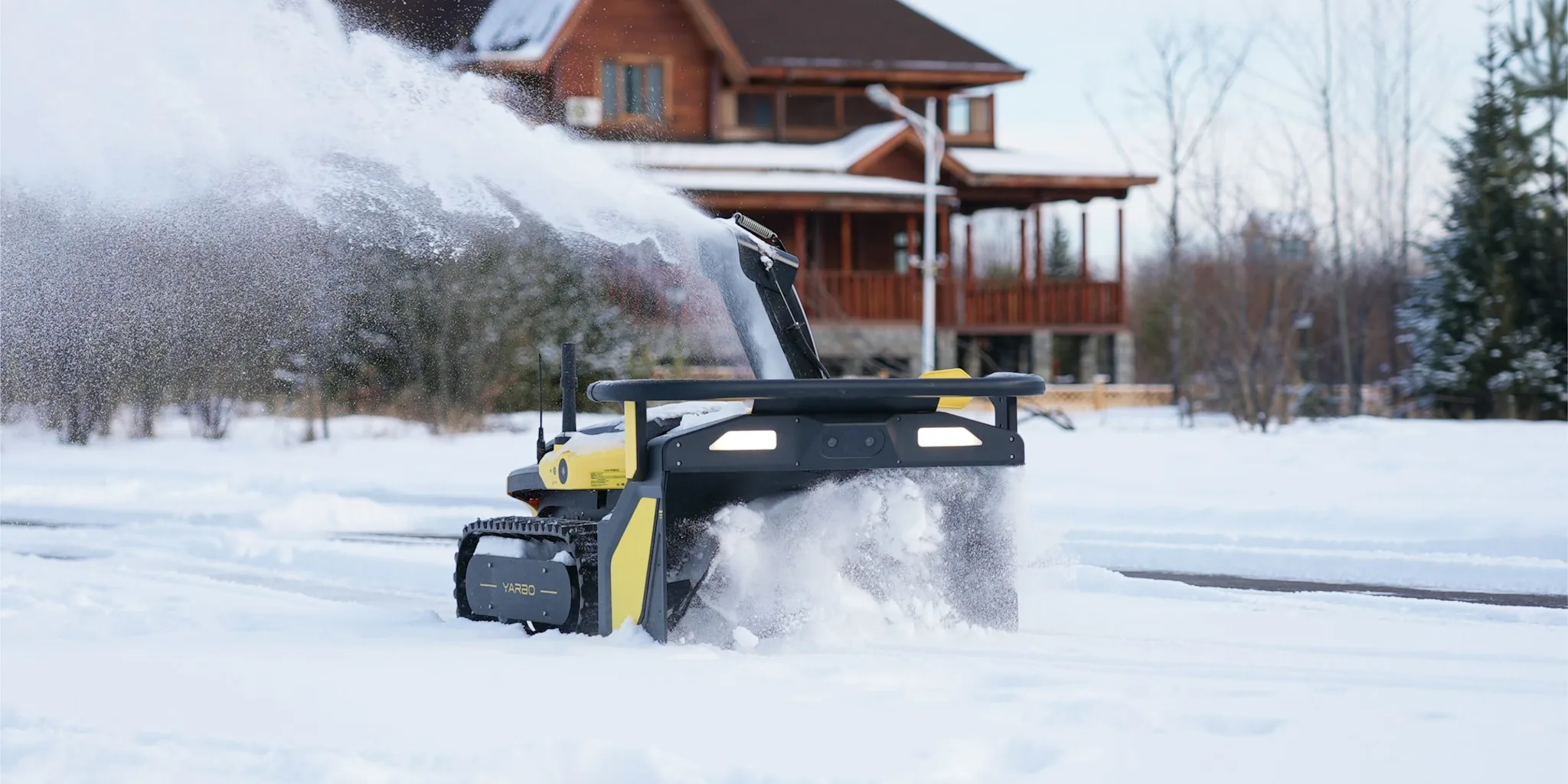
When winter arrives and the snow starts piling up, having the right equipment can turn a dreaded chore into a manageable task.
A snow blower is a significant investment, and choosing the wrong one can mean hours of frustration or a machine that simply can’t handle your driveway.
This guide walks you through the key features to consider, from clearing width to power source, so you can make an informed decision without getting buried in technical specs.
Whether you call it a snow blower or a snow thrower, the goal is the same: move snow efficiently. The best machine for you depends on your property, climate, and personal preferences. Let’s break down what matters most.
Clearing Width and Intake Height

The clearing width determines how much snow the machine can move in a single pass.
A narrower width (around 18 to 22 inches) is fine for small walkways and light snow, while wider models (24 to 30 inches or more) are better for large driveways and heavy snowfall.
The intake height, usually measured in inches, dictates how deep a snow bank the blower can handle. For areas that get frequent storms, a taller intake height helps prevent clogging.
Match these dimensions to your typical snowfall. If you live in a region with deep, wet snow, prioritize a model with a larger intake height and wider clearing path.
For a closer look at top-rated models, see our roundup of snow blowers that balance these specs for different conditions.
Stage Type: Single, Two, or Three
The stage refers to how the machine collects and ejects snow. Single-stage models use a spinning auger to both scoop and throw snow. They are lightweight, affordable, and best for paved surfaces and light snow up to about 8 inches deep.
However, they can struggle with gravel driveways because the auger scrapes the ground.
Two-stage snow blowers have a separate impeller that throws the snow after the auger collects it. This design handles deeper, heavier snow and works well on gravel or uneven surfaces.
Many homeowners find this the sweet spot for reliability and performance. Three-stage models add an accelerator for even faster clearing, but they are heavier and pricier, typically suited for extreme snowfalls.
Power Source: Gas, Electric, or Battery
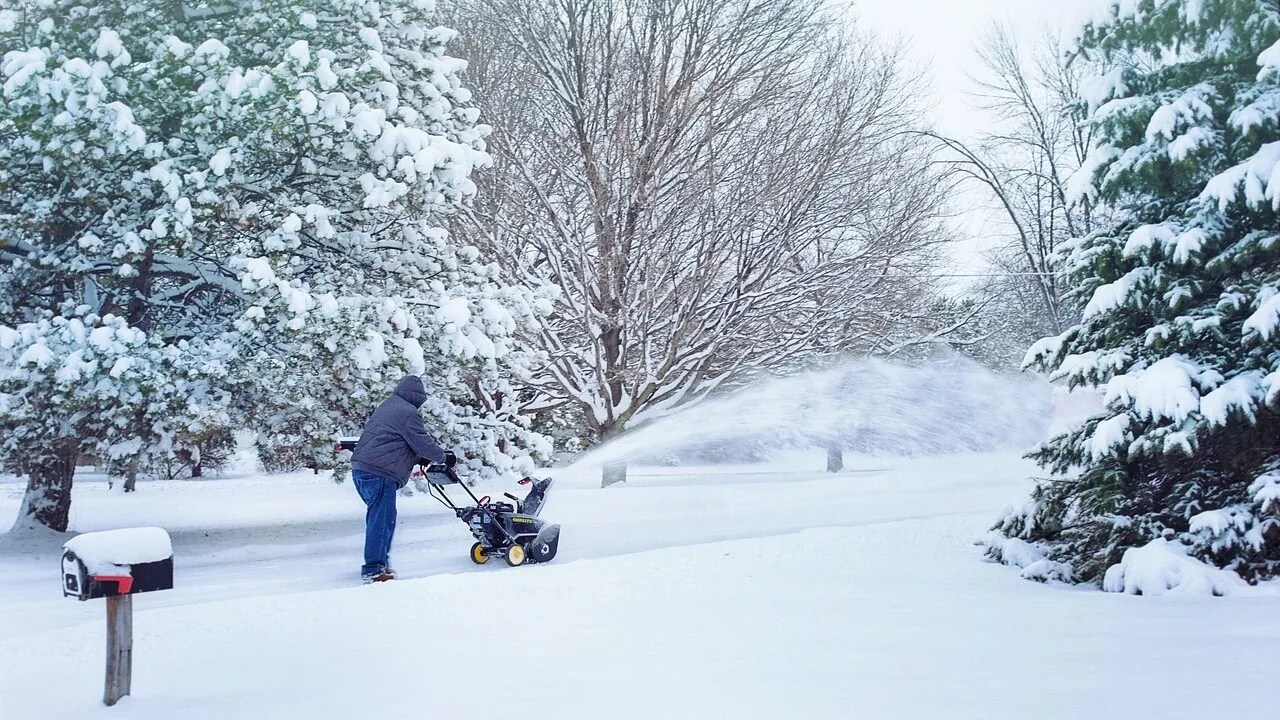
Your power source choice affects weight, noise, maintenance, and runtime. Gas snow blowers offer the most power and endurance, making them ideal for large properties and heavy snow. They require regular maintenance like oil changes and fuel stabilization.
For those with smaller driveways or who prefer quieter operation, electric models are worth considering. Our guide to electric snow blowers covers corded and battery options.
Battery-powered snow blowers have improved significantly, offering cordless convenience with enough power for moderate snowfalls. They are quieter and require less maintenance than gas models, but runtime is limited by battery capacity.
If you already own a battery system from a brand like Ryobi or Ego, sticking with that platform can save money on extra batteries. For more details, check out our analysis of battery snow blowers for different use cases.
Electric Start and Chute Controls
An electric start eliminates the hassle of pulling a cord in freezing weather. Most gas models offer this as a standard or optional feature, often powered by a plug-in outlet or a battery.
For electric or battery models, starting is typically as simple as pressing a button. This convenience is worth the extra cost if you dread cold mornings.
Chute controls let you direct the snow exactly where you want it. Basic models use a manual lever, while premium ones offer joystick or remote control from the handlebars.
A rotating chute with a deflector that adjusts height gives you better control, especially in tight spaces near houses or driveways. Look for controls that are intuitive and responsive, even with gloves on.
Drive System, Tires Versus Tracks
Self-propelled drive systems are essential for larger machines. Most models use a friction disc or hydrostatic transmission, with multiple forward speeds and a reverse gear. Hydrostatic drives offer smoother, variable speed control, which is easier on the operator.
For a comprehensive comparison of popular models, our snow blower reviews highlight drive system performance across brands.
Tires are standard on most snow blowers, but tracks provide superior traction on icy or sloped surfaces. Tracks also distribute weight better, reducing the chance of getting stuck in deep snow.
However, tracked models are heavier, more expensive, and harder to maneuver on flat pavement. For flat driveways with moderate snow, pneumatic tires with chains or aggressive treads are usually sufficient.
Storage and Maintenance Tips
Proper storage extends the life of your snow blower. Keep it in a dry, covered area like a garage or shed.
For gas models, run the engine dry or add fuel stabilizer at the end of the season to prevent carburetor issues.
Check the auger shear pins annually; they are designed to break if you hit a hidden object, protecting the gearbox. Electric and battery models require less maintenance, but keep the battery charged according to the manufacturer’s instructions.
Before winter sets in, inspect the machine for loose bolts, worn belts, and damaged chute components. A quick preseason check can save you from a breakdown mid-storm.
For more guidance on choosing the right power source, our page on snow blowers offers a broad overview of options.
Frequently Asked Questions
What size snow blower do I need for a two-car driveway?
For a typical two-car driveway (about 10 to 12 feet wide and 20 to 30 feet long), a two-stage model with a 24-inch clearing width and a 21-inch intake height is a common choice. This size handles moderate snowfalls efficiently without being too heavy.
Should I get a gas or electric snow blower?
Gas models offer more power and runtime, ideal for heavy snow and large areas. Electric models are lighter, quieter, and require less maintenance, making them suitable for smaller driveways and paved surfaces. Your choice depends on your property size and tolerance for noise and fumes.
Do I need heated handles on a snow blower?
Heated handles are a luxury, not a necessity. They keep your hands warm during long clearing sessions, but you can always wear insulated gloves instead.
If you live in a very cold climate and plan to clear snow frequently, heated grips can be a worthwhile upgrade.
How do I maintain a snow blower after use?
After each use, let the machine run for a few minutes to clear remaining snow from the auger and chute. Wipe down the exterior to prevent rust.
At the end of the season, change the oil on gas models, inspect spark plugs, and store the machine in a dry place. For battery models, keep batteries at room temperature when not in use.
Can I use a snow blower on a gravel driveway?
Yes, but with caution. Single-stage models can pick up and throw gravel, which damages the machine and your lawn. Two-stage models with adjustable skid shoes allow you to raise the auger slightly above the gravel, reducing the risk.
Set the skid shoes to leave about a quarter-inch clearance.
About the author

Harry writes reviews and buying guides for Snow Removal Wiki.