
Understanding Snow Blower Costs: What to Expect at Every Price Tier
Learn what drives snow blower costs by type and feature, how much to spend for different property sizes, ongoing expenses, whether cheap models are worth it, and the best season to buy.
 By Harry
Updated October 1, 2026

Snow blowers range widely in price, depending on their type, power source, and features.
Whether you have a short driveway with light powder or a long lane that sees heavy, wet snow, understanding what drives the cost can help you spend wisely.
In this article, we break down the factors that influence pricing, how much is reasonable for different property sizes, ongoing expenses, whether budget models are worth considering, and the best time of year to make your purchase.
What Drives Snow Blower Prices?
The biggest factor is the type of machine. Single stage snow blowers are typically the most affordable, using a rubber auger to both scoop and throw snow.
Two stage models have a separate impeller and steel auger, making them more expensive but far better at handling deep or packed snow. Three stage machines add an accelerator and sit at the premium end of the lineup.
Power source also matters: corded electric models cost the least, followed by battery powered units, with gas models generally costing more upfront due to their engines and drivetrains.
Features like electric start, heated handles, power steering, headlights, and wider clearing widths also add to the price. For a full overview of different types, check out the snow blowers category on our site.
How Much Should You Spend Based on Your Property?
Entry level (small driveway, light snow). If you clear a single car driveway and get only a few inches at a time, a corded electric or basic battery model can be a smart, low cost choice. Prices at this tier are the most accessible.
Mid range (medium driveway, moderate snow). For a two car driveway or areas that see moderate snowfall, a mid sized battery model or a gas single stage often delivers the right balance of power and cost.
You’ll get more clearing width and better throw distance without jumping to the highest price bracket.
Premium (large driveway, heavy snow). If you have a long or wide driveway and regularly contend with wet, deep snow, a two stage gas or high capacity battery snow blower is worth the larger investment. These machines clear faster and require less effort.
Commercial or very large properties. Three stage gas blowers with large wheels and wide clearing paths are meant for demanding use. They carry the highest price tag but offer durability and speed that homeowners with tough conditions may also appreciate.
Ongoing Costs to Consider
Beyond the purchase price, every snow blower has recurring expenses. Gas models require fuel, oil changes, spark plugs, and stabilizer if stored for months. Batteries will eventually need replacement, and the cost varies by voltage and capacity.
Corded electric machines have minimal upkeep but are limited by cord length and access to outlets. All snow blowers need shear pins, belts, and occasional repairs.
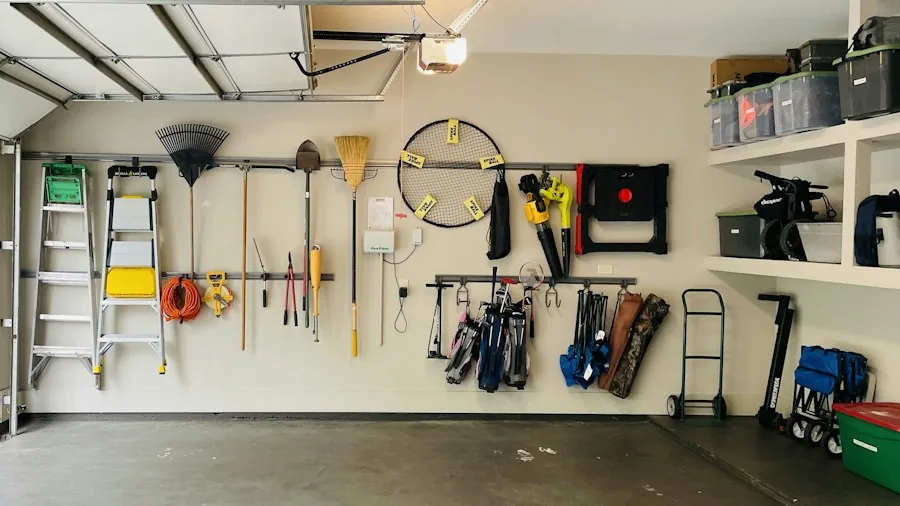
Storage space is another factor: gas machines are bulkier and need ventilation, while electric models are easier to stash.
For a look at specific models in each category, our snow blower reviews can help you compare features and find one that fits your budget long term.
Are Budget Snow Blowers Worth It?
An inexpensive snow blower can be a good option if you only deal with light, infrequent snow and have a very short driveway. However, cheaper models often use plastic augers, smaller motors, and less durable construction.
They may clog easily in wet snow or struggle with deeper drifts.
For anyone who relies on their machine to clear snow reliably several times a season, stepping up to a mid range unit typically offers better value: stronger components, easier maintenance, and longer life.
If you are considering battery power, check out battery snow blower options that balance performance with running costs. For gas, our roundup of gas snow blower recommendations can guide you toward a dependable model.
Best Time to Buy a Snow Blower

Snow blower prices follow seasonal trends. You will typically find the best deals at the end of winter when retailers clear inventory. Early fall and late spring also see discounts as stores make room for other seasonal goods.
Holiday sales in late fall can offer good prices if you need a machine before the snow flies. The key is to plan ahead: if you can wait until the season ends, you may save a significant amount.
Conversely, buying during a snowstorm usually means paying full price. Always check current return policies and warranty terms before purchasing, as they vary by retailer and can affect overall cost.
Frequently Asked Questions
Is it cheaper to buy a snow blower in summer?
Summer is not a traditional time for snow blower sales, but you may find clearance leftover from spring. Demand is low, so some retailers offer lower prices to move stock. Availability may be limited, so you might need to shop online or check multiple stores.
Can I finance a snow blower?
Many major retailers offer financing options, especially on higher priced machines. Store cards or credit accounts often have promotional periods with deferred interest. Be sure to read the terms carefully and pay off the balance before any interest accrues.
Are gas snow blowers more expensive to maintain than electric?
Yes, gas machines have more moving parts requiring regular service: oil changes, spark plug replacements, and fuel system care. Electric models (corded or battery) have fewer maintenance points, though batteries do degrade over time and may need replacement.
Corded electric machines have the lowest ongoing costs because they have no battery and no engine.
Do I need a three stage snow blower?
Three stage machines are designed for heavy, wet snow and large areas. Most homeowners with a two car driveway and moderate climate will do fine with a two stage model.
Only consider a three stage if you frequently receive deep, dense snow or have a very long driveway.
Should I buy a used snow blower?
A used snow blower can be a bargain, but inspect it carefully. Check for rust, engine condition, and auger wear. Ask about maintenance history and whether shear pins have been replaced regularly.
For gas models, evaluation starting and listen for unusual sounds. If you are not comfortable with mechanical repairs, a new mid range machine might save you headaches.
For more guidance on choosing the right machine, we have reviews of corded electric snow blower models and electric snow blowers that can help you compare options side by side.
About the author

Harry writes reviews and buying guides for Snow Removal Wiki.