
Understanding Snow Blower Noise Levels and What to Expect
Learn how snow blower noise differs between gas, corded electric, and battery models. Understand why it matters for early mornings and neighbors, and get hearing protection advice.
 By Harry
Updated October 1, 2026
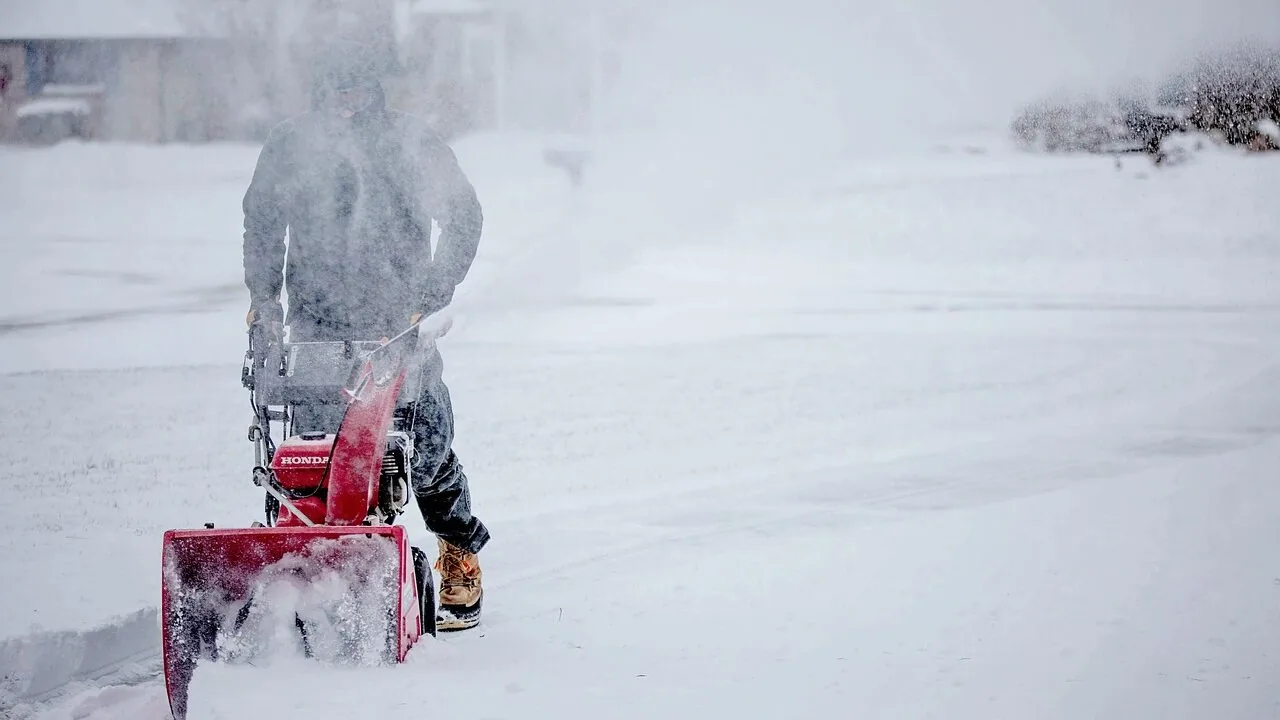
When winter arrives and snow piles up, a snow blower becomes an indispensable tool. But along with clearing your driveway, you also have to consider the noise it creates. Gas engines roar, electric motors whir, and battery-powered models hum.
Understanding how loud each type is can help you make a more informed purchase and maintain good relationships with your neighbors.
This guide explains the noise differences between gas, corded electric, and battery snow blowers, why it matters for early mornings, what local rules may apply, and how to protect your hearing.
When evaluating your next purchase, it helps to understand overall snow blower costs as part of your decision.
How Noise Differs Between Gas, Corded Electric, and Battery Snow Blowers
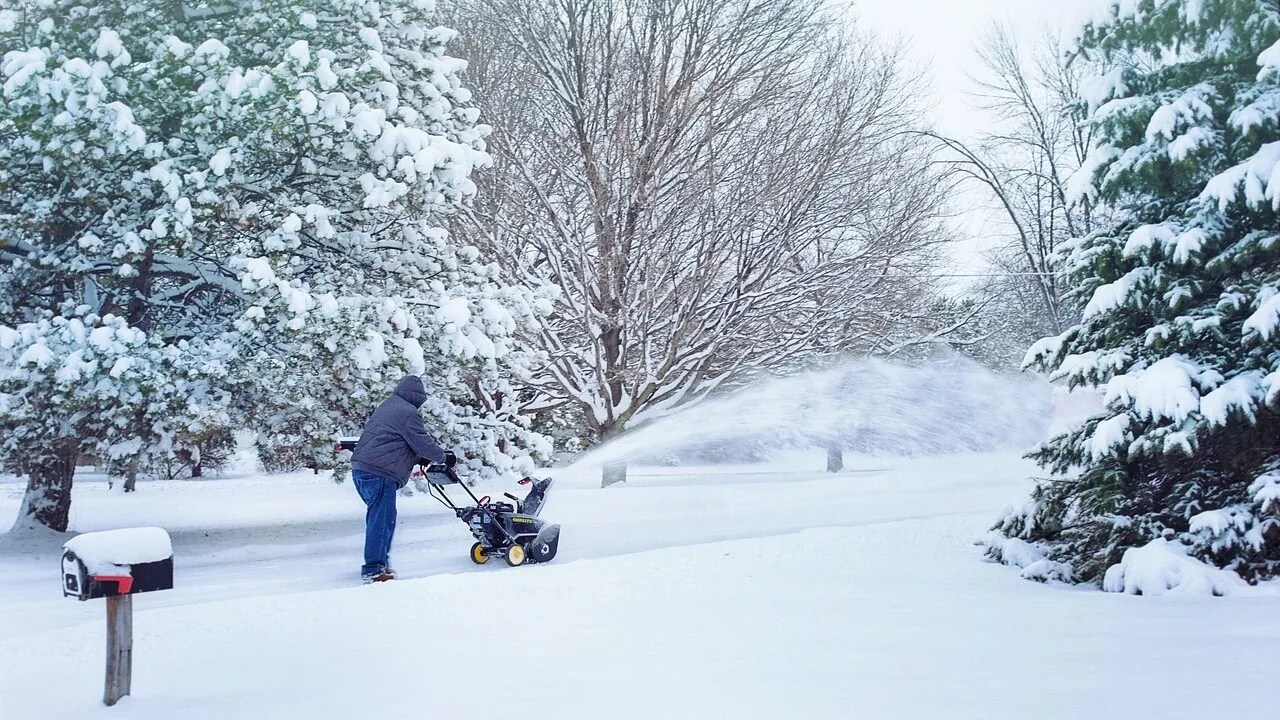
Gas snow blowers are the loudest of the three types. Their internal combustion engines produce a deep, persistent roar that can carry for blocks. The noise comes from the engine itself, the impeller, and the auger throwing snow.
Even small single-stage gas models are significantly louder than any electric option. For a comprehensive guide on selecting the right type, see our advice on choosing a snow blower.
Corded electric snow blowers are noticeably quieter. They run on an electric motor that produces a steady whir rather than a roar. The absence of a gas engine eliminates the loud exhaust and mechanical clatter.
While not silent, these models are much less likely to disturb your household or neighbors, especially during early morning use. If you are leaning toward a corded model, you can explore top-rated corded electric snow blowers.
Battery powered snow blowers are the quietest option available. They use a brushless motor that emits a low hum during operation, with no exhaust noise.
The sound level is comparable to a normal conversation or a vacuum cleaner running from a distance. This makes them ideal for neighborhoods with strict noise rules or for use at any hour.
To understand the tradeoffs, read about whether battery powered snow blowers are worth the investment.
Why Noise Matters for Early Mornings and Neighbors

Snow clearing often happens early in the morning, before work or school. A loud gas snow blower firing up at 6 a.m. can wake up your entire household and irritate neighbors who are still asleep.
Even if you are used to the noise, others may not appreciate it. Quieter electric models, particularly battery-powered ones, allow you to clear snow without creating a disturbance.
This consideration becomes even more important in densely populated areas where houses are close together. Being a considerate neighbor means choosing equipment that respects shared quiet hours.
Understanding Local Noise Ordinances
Many towns and cities have noise ordinances that restrict loud equipment during certain hours, typically at night and early morning. These regulations often apply to lawn mowers, leaf blowers, and snow blowers.
While specific rules vary, a common restriction prohibits use before 7 a.m. or after 9 p.m. on weekdays and may have stricter weekend limits. Ignoring these rules can result in fines or complaints from neighbors.
Always check your local municipal code or homeowners association guidelines before operating any power equipment. If you live in an area with strict noise regulations, a battery powered model may be the most compliant choice.
Protecting Your Hearing with the Right Gear

Even though electric snow blowers are quieter than gas, all power equipment can produce noise levels that risk hearing damage over prolonged exposure. Gas models can easily exceed levels that require hearing protection.
Corded and battery models, while lower, still generate enough sound to cause fatigue or gradual hearing loss if used repeatedly without protection. Simple earplugs or earmuffs rated for noise reduction are inexpensive and effective.
For gas users, hearing protection is essential every time. For electric users, it is still a wise practice, especially during longer clearing sessions.
Always follow the manufacturer’s guidelines for safe operation and consider wearing protective gear as part of your regular winter routine.
Frequently Asked Questions
Are electric snow blowers quieter than gas?
Yes, electric snow blowers, both corded and battery-powered, are significantly quieter than gas models. The electric motor produces a low hum instead of the loud engine roar of gas. This makes them much more neighbor-friendly, especially for early morning use.
Can I use a snow blower early in the morning?
It depends on your local noise ordinances. Many areas prohibit loud equipment before 7 a.m. or after 9 p.m. Even if allowed, using a quieter electric model can help avoid disturbing neighbors. Always check your local rules and consider your neighborhood’s expectations.
Do I need hearing protection with an electric snow blower?
While electric snow blowers are quieter, they still produce enough noise to potentially harm your hearing during extended use.
It is a good practice to wear earplugs or earmuffs, especially if you clear snow for more than 30 minutes at a time or have multiple driveways to handle.
Are battery snow blowers silent?
No snow blower is completely silent, but battery-powered models come closest. They produce a low hum from the motor and the mechanical sound of the auger moving snow. The noise level is similar to a normal conversation and far less intrusive than a gas engine.
How can I reduce snow blower noise overall?
Choose an electric model if noise is a top concern. Maintain your equipment by keeping it clean and lubricated, as loose parts can add noise. Schedule use during daytime hours when neighbors are awake.
If you must use a gas model, consider a muffler upgrade or operate it only when absolutely necessary.
About the author

Harry writes reviews and buying guides for Snow Removal Wiki.