
Snow Blower Tracks vs Wheels: Choosing the Right Drive System
Confused between tracked and wheeled snow blowers? We break down traction, maneuverability, cost, and maintenance to help you decide.
 By Harry
Updated October 1, 2026
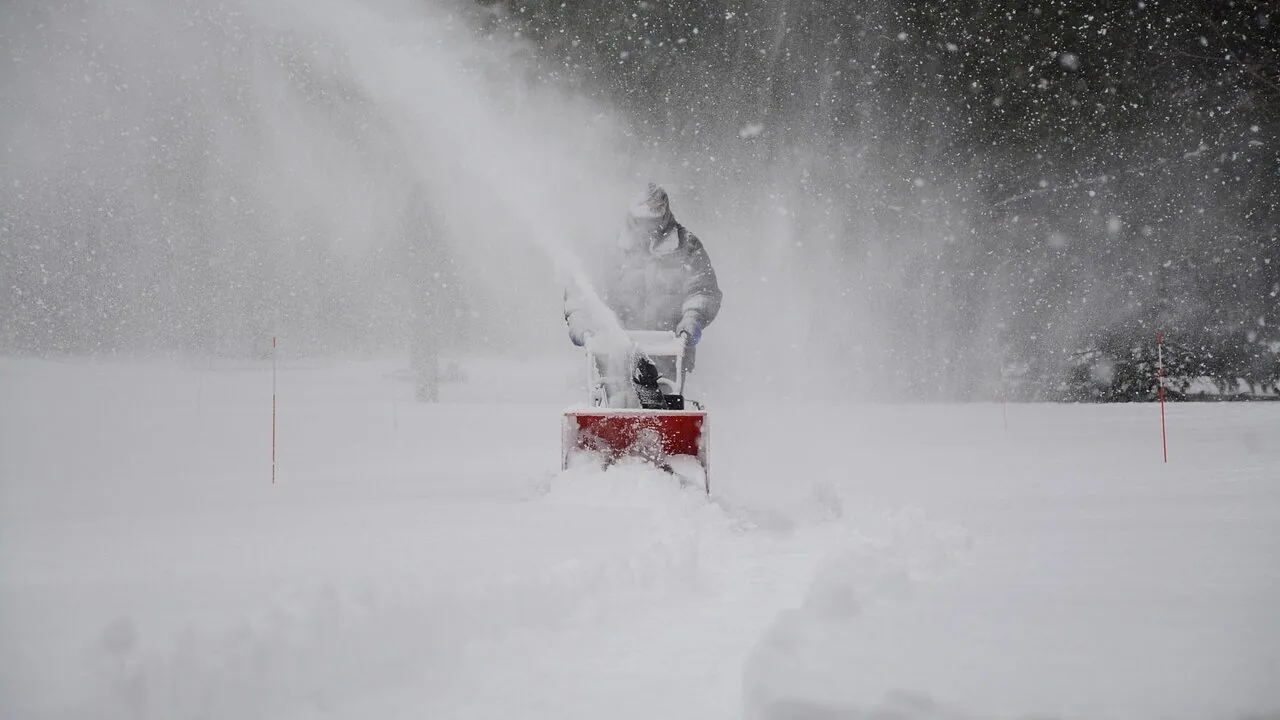
When you start shopping for a two-stage snow blower, one of the first major decisions you face is the drive system: tracks or wheels. Both can clear heavy snow, but they handle your property’s surface very differently.
Choosing the wrong system can mean getting stuck on a slope, tearing up a gravel driveway, or struggling with a machine that is difficult to maneuver.
This guide explains the core differences between track-drive and wheeled snow blowers so you can match the technology to your specific winter conditions. Before you decide, it helps to understand the basic differences between single-stage and two-stage snow blowers.
Traction and Surface Compatibility

The most significant difference between tracks and wheels is how they grip the ground.
Wheeled models use standard tires that work well on paved surfaces. They provide adequate traction on flat driveways but can struggle on icy patches or steep inclines. On gravel, wheels can dig in and throw stones, which is a common complaint.
Tracked models offer a much larger surface area, distributing the machine’s weight. This provides excellent grip on ice, packed snow, and steep slopes. Tracks excel on gravel driveways because they do not dig into the loose stone.
However, turning sharply on pavement with tracks can scuff the surface. If you are evaluating a specific model, our snow blower reviews cover traction and surface handling in detail.
Maneuverability and Control
How easily a snow blower turns is a critical factor for most homeowners.
Wheeled models are inherently more maneuverable. They pivot easily on pavement and can spin around in a tight radius. This makes them ideal for navigating around cars, mailboxes, and landscaping.
Tracked machines are heavier and do not pivot well. Changing direction requires more effort, as the tracks resist sideways motion. They are better suited for long, straight runs rather than complex paths.
The Role of Power Steering
Many modern wheeled snow blowers feature trigger steering or power steering. This mechanism disengages the drive to one wheel, allowing the machine to turn with a simple squeeze of a lever.
Trigger steering makes a wheeled snow blower feel much lighter and easier to handle than a tracked machine of similar size.
Tracked snow blowers typically steer by slowing one track, which is effective but requires more physical input from the operator. For tighter spaces, a compact snow blower might be worth considering.
Weight, Cost, and Maintenance
The mechanical complexity of tracks vs wheels leads to significant differences in weight, price, and upkeep.
Wheeled snow blowers are generally lighter and less expensive. Maintenance is straightforward: check tire pressure and replace tires as needed.
Tracked systems add considerable weight and cost. Maintenance is more involved. Tracks need proper tension, and the undercarriage components (rails, idler wheels, sliders) wear out over time and require replacement. This is a key consideration for long-term ownership.
To understand the full financial picture, read our guide to snow blower costs. If you are looking for a specific power source, our gas snow blower recommendations might be helpful.
Which Drive System Is Right for Your Property?

The answer depends entirely on your specific conditions.
- Choose tracks if: you have a steep driveway, a long gravel surface, or frequently deal with deep, heavy snow and ice. Tracks provide the traction and flotation needed for these demanding conditions.
- Choose wheels if: you have a flat, paved driveway, value maneuverability, or are working within a tighter budget. Wheeled models with trigger steering are excellent for most suburban driveways.
For a broader look at what to look for, check out our guide to choosing a snow blower. If you are considering an electric model, our battery-powered snow blowers guide covers the key considerations.
Frequently Asked Questions
Are tracked snow blowers worth the extra cost?
Yes, if you have a steep or gravel driveway. The superior traction prevents you from getting stuck and protects your surface from digging. For flat, paved driveways, a wheeled model with trigger steering offers better value.
Can I use a wheeled snow blower on gravel?
You can, but you must be careful. Wheels can dig into loose gravel and throw stones, which can be dangerous and damage the machine. Tracked models are much better suited for gravel surfaces.
What is trigger steering on a snow blower?
Trigger steering is a feature on wheeled snow blowers that allows you to turn the machine easily. When you squeeze a lever on the handle, it disengages the drive to one wheel, letting the machine pivot around that wheel.
Do tracked snow blowers damage pavement?
They can, especially if you make tight turns. The rubber tracks can scuff and mark asphalt or concrete over time. Wheeled models are gentler on paved surfaces.
Which is easier to maintain: tracks or wheels?
Wheeled snow blowers are generally easier to maintain. Tracks require periodic tension adjustments and the undercarriage components will eventually need replacement due to wear.
About the author

Harry writes reviews and buying guides for Snow Removal Wiki.