
How Much Snow Can a Snow Blower Handle? Understanding Limits by Type and Conditions
Learn how snow blower type, intake height, snow conditions, and power source determine the maximum snow depth your machine can handle. Practical advice for homeowners.
 By Harry
Updated October 1, 2026
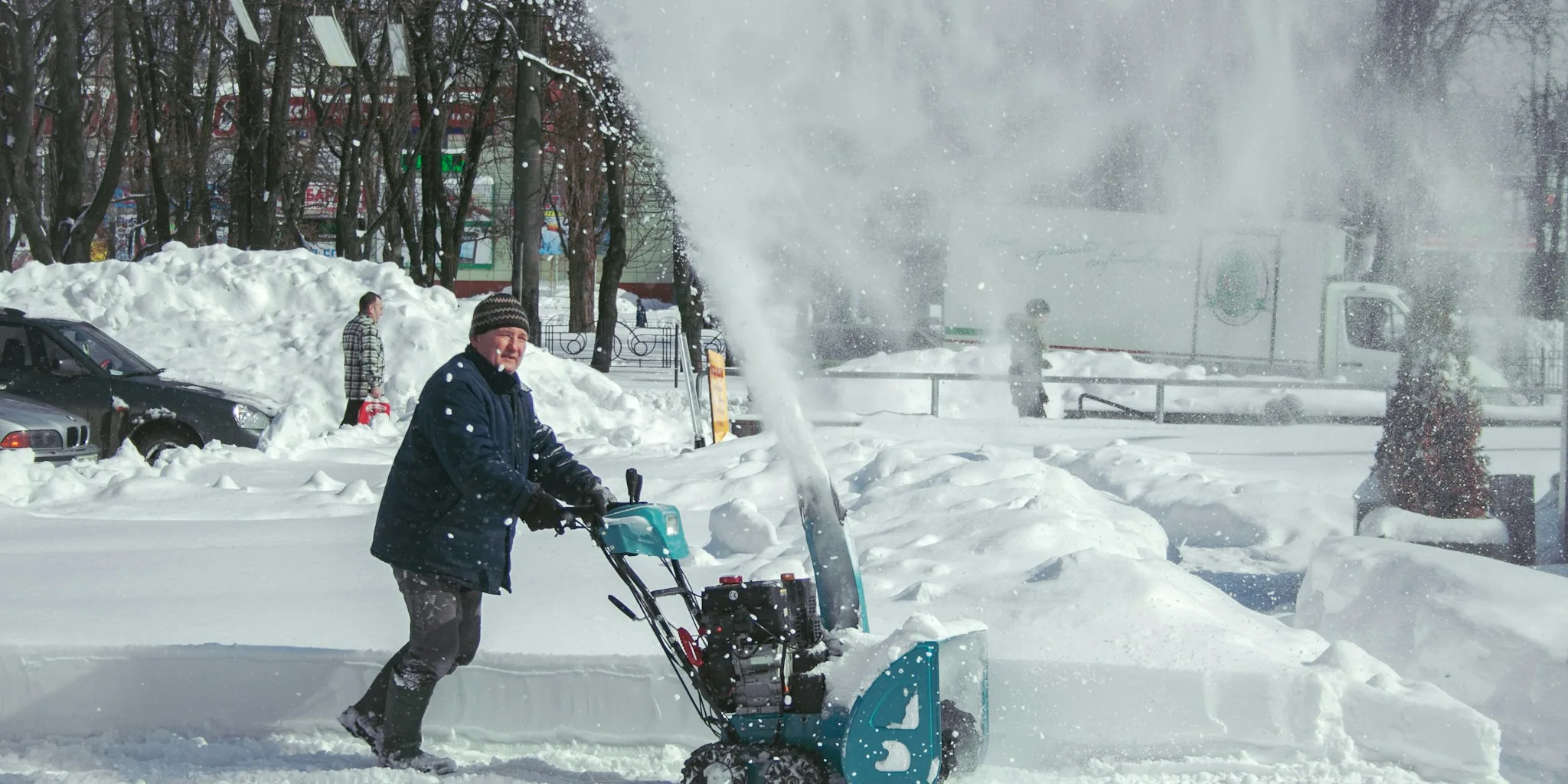
Every winter brings the question: is this snowfall deep enough to justify firing up the snow blower, or should you grab a shovel?
The answer depends on your machine’s design, the snow’s weight, and a few often overlooked specs. Understanding these factors helps you avoid clogged chutes, stalled engines, and unnecessary shoveling.
This guide breaks down the real world limits of single stage, two stage, and three stage snow blowers, along with how wet snow, plow piles, and power source affect performance. Knowing your machine’s capacity saves time and prevents damage.
The Role of Machine Type: Single Stage vs. Two Stage vs. Three Stage
The auger and impeller system sets a baseline for snow depth capability. Single stage models use a rubber paddle to scoop and throw snow in one motion. They excel on light, fluffy snow up to about 8 inches deep.
Two stage machines have a steel auger that breaks up snow and a separate impeller to eject it, handling depths of 12 to 18 inches or more with ease. Three stage models add an accelerator for even thicker, denser accumulations.
For a detailed comparison, see our guide to the differences between single stage and two stage machines.
Intake Height: The Hard Limit on Snow Depth
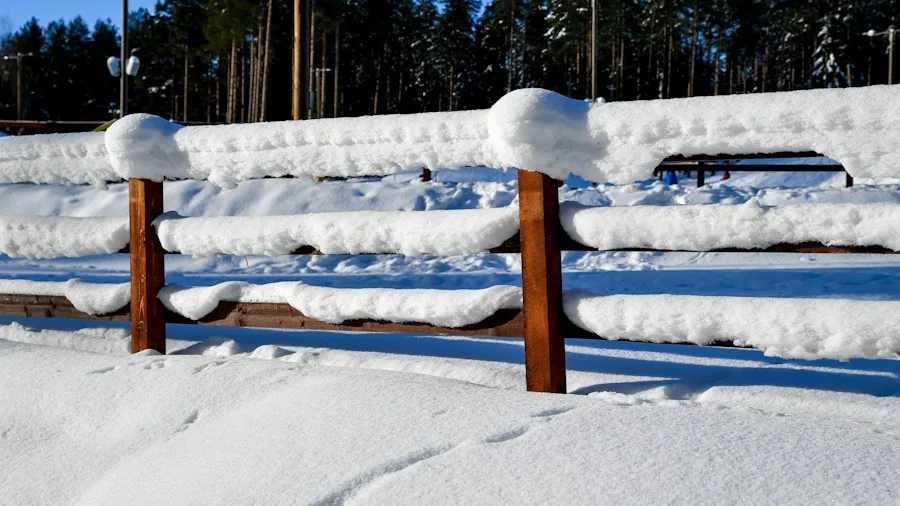
Every snow blower has a maximum intake height, usually listed in the spec sheet. If the snow depth exceeds that number, the machine physically cannot scoop it.
Single stage intakes typically range from 10 to 13 inches, while two stage models can offer 16 to 24 inches or more. Always check this figure before buying, especially if you live in an area prone to heavy snowfalls.
For more on matching machine dimensions to your driveway, read our article on choosing the right snow blower size for your home.
Snow Conditions Matter: Wet, Heavy, and Packed Snow

A dry, fluffy 12 inch snow is much easier to clear than a wet, heavy 6 inch slush. Wet snow weighs two to three times as much and clogs single stage machines quickly.
Two stage models handle it better because the auger breaks up the material before it reaches the impeller. If your region regularly gets wet, heavy snow, prioritize a two stage or three stage machine.
For a broader look at your options, refer to the homeowner snow blower buying guide.
End of Driveway Plow Piles: The Toughest Job
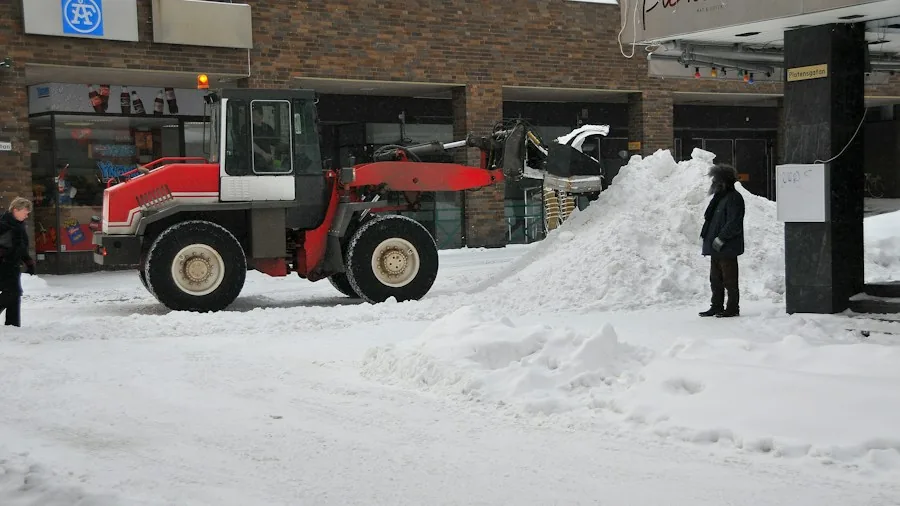
The densest snow you will face is the pile left by a plow truck at the end of your driveway. These mounds can be several feet high and packed with ice chunks.
A single stage machine will likely stall or bounce off the surface. A two stage or three stage machine with a steel auger can chew through these piles, especially if it has a higher intake height.
Be prepared for the most challenging clearing of the season. Reviewing snow blower cost expectations can help you decide if investing in a more powerful model is worth it for your driveway.
Power Source and Performance: Gas vs. Electric vs. Battery
The power source directly affects how much snow a machine can handle. Gas models offer the most torque and sustained power, making them ideal for deep, heavy accumulations.
Corded electric machines are limited by tether length and typically manage 6 to 8 inches of light snow. Battery powered models are improving but still struggle with wet, heavy snow or depths beyond 8 inches.
They are best for smaller driveways and moderate climates. To understand the trade offs, read more about battery powered snow blowers.
Frequently Asked Questions
Can a single stage snow blower handle 10 inches of snow?
In most cases, no. Single stage machines are designed for depths up to about 8 inches. Exceeding that can lead to clogging and stress the motor.
What happens if the snow is deeper than the intake height?
The machine cannot ingest snow above its intake opening. You will need to clear the top layer by hand or use a model with a taller intake.
Does wet snow reduce a snow blower’s capacity?
Yes. Wet snow is heavier and more likely to clog the chute. Two stage machines handle it far better than single stage models.
Are battery snow blowers suitable for heavy snowfall?
Battery models work well for light to moderate snow up to 6 to 8 inches. They struggle with deep, wet accumulations; gas or corded electric machines are more reliable for heavy duty clearing.
About the author

Harry writes reviews and buying guides for Snow Removal Wiki.