
How Long Do Snow Blowers Last? What to Expect and How to Maximize Life
How long can you expect a snow blower to last? From gas to electric models, learn about lifespan, common wear items, maintenance tips, and resale value.
 By Harry
Updated October 1, 2026
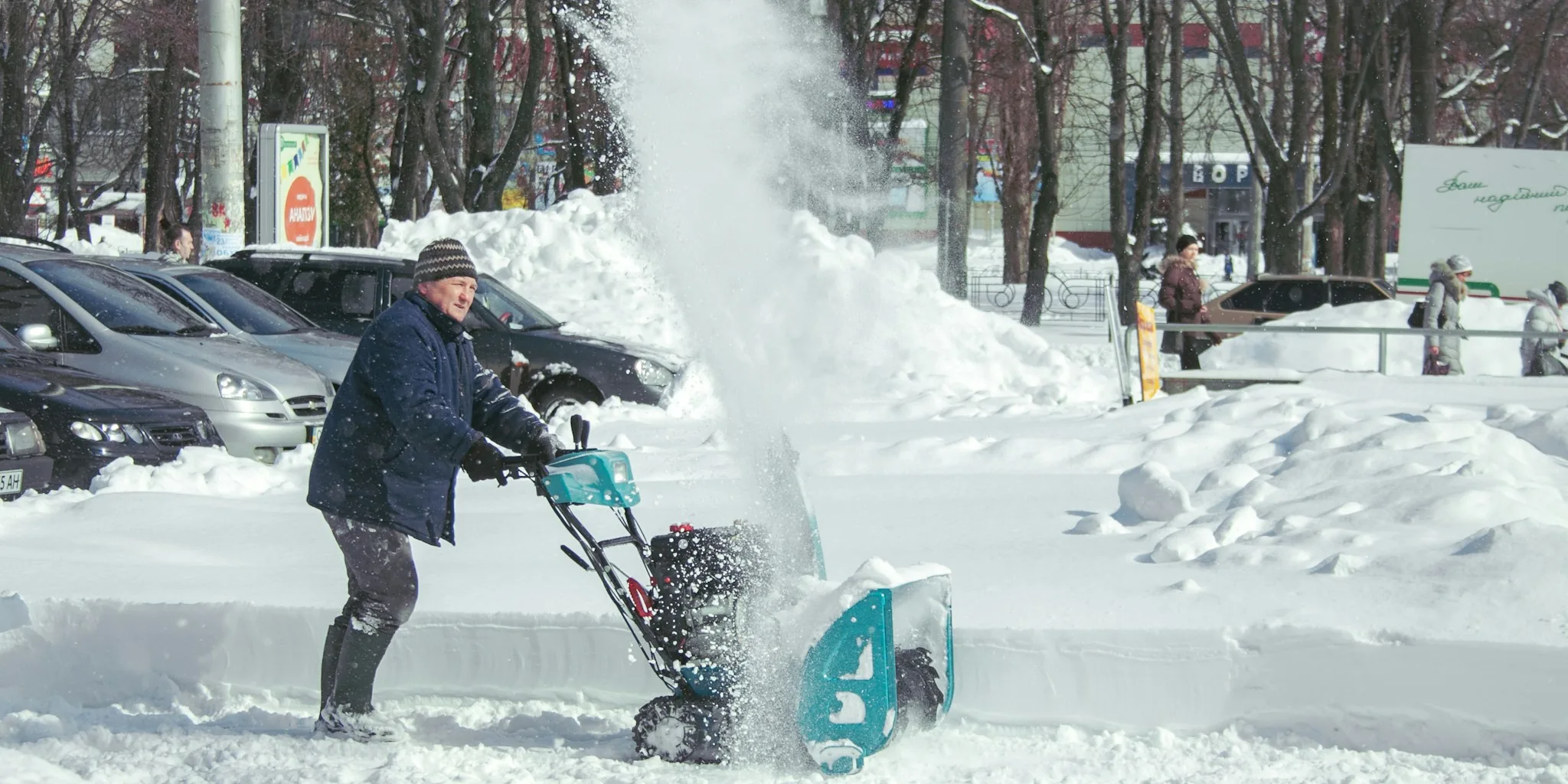
If you are shopping for a snow blower or wondering how many more winters your current machine will run, you are not alone.
A snow blower is a substantial investment, and knowing its expected lifespan helps you plan repairs, replacements, and budget.
This article covers typical longevity by type, the components that fail first, when it makes sense to repair versus replace, and how maintenance habits can add years of service.
We also touch on whether snow blowers hold their resale value. For a broader overview of what to look for when buying, our homeowner’s buying guide is a good starting point.
Typical Lifespan by Snow Blower Type

Lifespan varies significantly between gas and electric models, and even between single-stage and two-stage designs. Here is a realistic range for each type:
- Single-stage gas snow blowers: 5 to 10 years. These are lighter machines with fewer moving parts, but their auger paddles and tires wear faster than the components on larger models.
- Two-stage and three-stage gas snow blowers: 10 to 15 years or more. Heavier-duty construction, separate auger and impeller systems, and larger engines contribute to longer service life when maintained properly. For a deeper comparison of these types, read our article on choosing between single-stage and two-stage models.
- Corded electric snow blowers: 10 to 15 years. With no engine or battery, these machines are simpler and can last many seasons if the motor and electrical components are kept dry and debris-free.
- Battery-powered snow blowers: 5 to 8 years. The main limitation is battery lifespan. Lithium-ion packs typically degrade after 300 to 500 charge cycles. For more details, see our guide to battery powered snow blowers and their overall value.
What Wears Out First on a Snow Blower
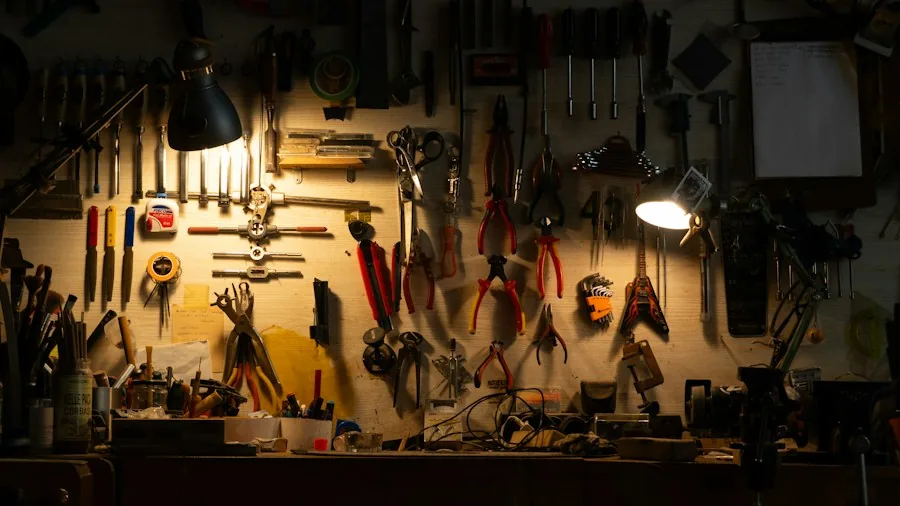
Even well-maintained snow blowers eventually need new parts. The most common wear items include:
- Auger paddles and scraper blades: On single-stage machines, rubber paddles wear down from contact with pavement. Two-stage machines have a metal auger with rubber strips that also need periodic replacement.
- Belts: Drive belts and auger belts stretch and crack over time. Replacing them every few seasons is routine.
- Shear pins: Designed to break to protect the gearbox, these are cheap and easy to replace.
- Batteries (on cordless models): Capacity loss is inevitable. A battery that dies mid-job is a clear sign it is time for a replacement.
- Spark plugs and fuel system components: On gas models, stale fuel, clogged carburetors, and fouled plugs are the most frequent issues.
Signs It Is Time to Repair or Replace
Knowing when to stop repairing and start shopping can save money and frustration. Consider these factors:
- Cost of repair vs. replacement: If a major repair (like a new engine or gearbox) costs more than half the price of a new machine, replacement is usually the better move.
- Frequent breakdowns: If you are replacing belts or fixing the carburetor every season, the machine has likely reached the end of its reliable life.
- Poor performance: Reduced throwing distance, excessive vibration, or an engine that struggles under light snow are signs of underlying wear.
- Rust and structural damage: Corroded auger housing, cracked chute, or bent frame are often not worth fixing.
For a closer look at how different models compare on durability and features, browse our collection of snow blower reviews.
How Engine Quality and Maintenance Habits Extend Life
The difference between a snow blower that lasts 5 years and one that lasts 15 years often comes down to engine quality and maintenance. Here are the practices that have the biggest impact:
- Use fresh fuel and a stabilizer: Ethanol-blended gas attracts moisture and degrades quickly. Adding a fuel stabilizer and draining the carburetor at the end of each season prevents varnish buildup.
- Change oil annually: Most gas snow blowers need an oil change every 25 to 50 hours. Clean oil reduces engine wear.
- Replace spark plugs every season: A fresh plug ensures easy starts and efficient combustion.
- Keep the machine clean and dry: After each use, remove snow and ice from the auger, chute, and undercarriage. Store in a dry, covered area.
- Check and adjust belts: Loose or glazed belts slip and wear faster. Regular tension checks extend belt life.
Battery-powered models benefit from following the manufacturer’s charging guidelines and storing batteries at moderate temperatures. For more advice on picking a model that matches your property, see how to choose the right snow blower size.
Do Snow Blowers Hold Their Resale Value?

Snow blowers depreciate quickly in the first few years, but well-maintained gas models can retain some value. Battery-powered machines tend to depreciate faster because the battery’s remaining life is a major factor.
If you plan to sell after a few seasons, keeping all receipts and maintenance records helps. For a comprehensive breakdown of what you can expect to pay at different quality levels, check our article on understanding snow blower costs.
Frequently Asked Questions
Can I make my snow blower last longer than the average lifespan?
Yes. Regular maintenance, proper storage, and addressing small issues early can often double the expected lifespan. A two-stage gas machine that is well cared for can exceed 15 years.
How do I know if my snow blower battery needs replacement?
If the battery no longer holds enough charge to clear a typical snowfall, or if it takes much longer to charge, it is likely degraded. Most battery packs are replaceable but check compatibility before buying.
Should I repair a 10-year-old snow blower or buy a new one?
It depends on the repair cost and overall condition. If the engine still runs well and the frame is rust-free, one major repair may still be cheaper than a new machine. If the machine requires multiple fixes each year, replacement is often more cost-effective.
Is a corded electric snow blower more reliable than a gas one?
Yes, generally. With fewer moving parts and no fuel system, corded electric snow blowers can last a long time. Their main limitation is the cord, which restricts mobility and can be a tripping hazard.
Does storing a gas snow blower with fuel cause problems?
Yes. Stale fuel can clog the carburetor and injectors. It is best to run the engine dry or add a fuel stabilizer before storage. Draining the carburetor bowl also reduces corrosion.
About the author

Harry writes reviews and buying guides for Snow Removal Wiki.