
Understanding Snow Blower Throw Distance: What Affects It and Why It Matters
Learn what determines snow blower throw distance, how to control snow placement with chute rotation and deflector angle, and why distance matters for wide driveways and safety around cars, windows, and people.
 By Harry
Updated October 1, 2026
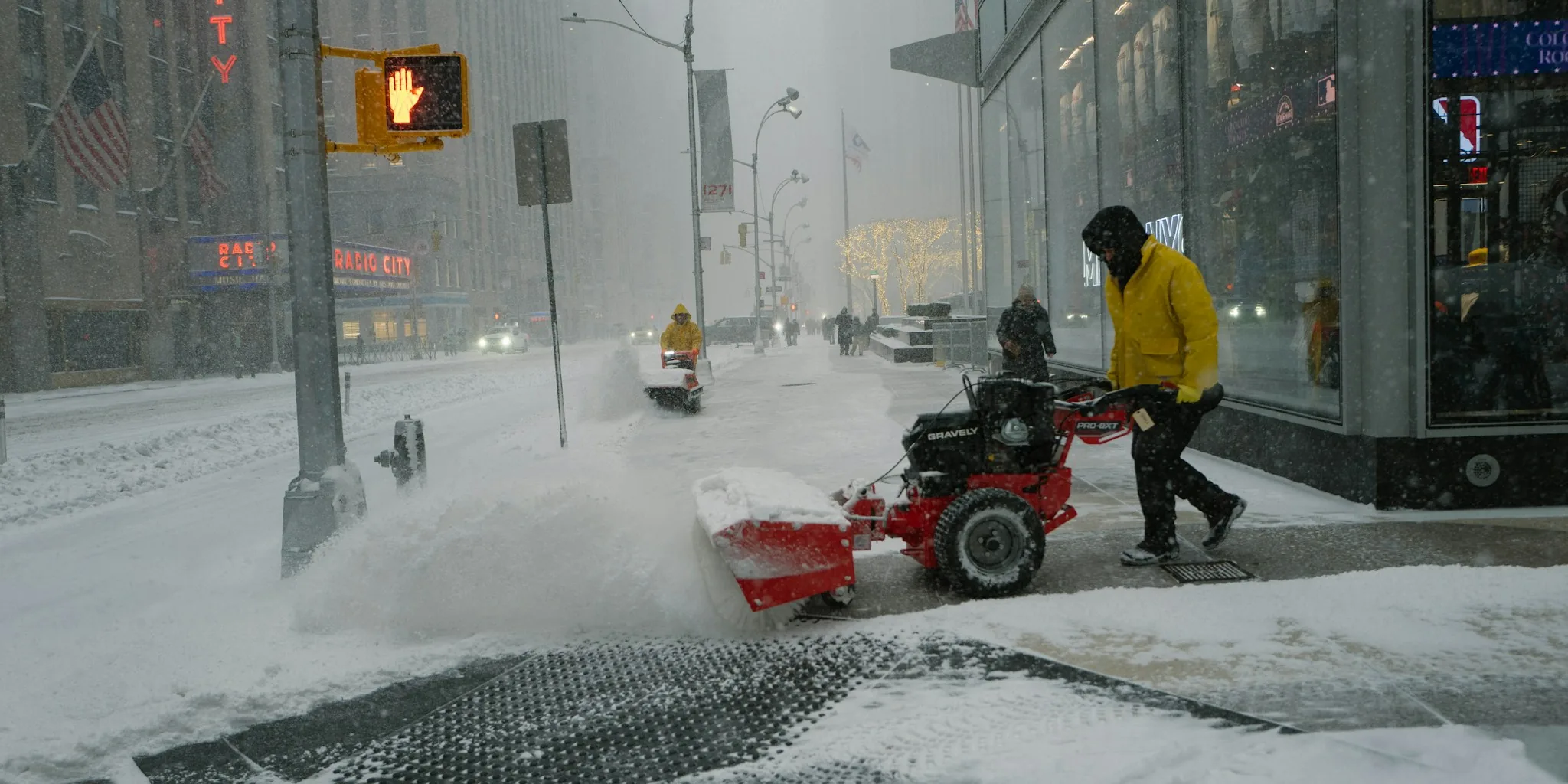
If you have a wide driveway or a corner lot, knowing how far your snow blower can throw snow makes a big difference in where you pile the snow and how much effort you spend.
Throw distance varies widely depending on the machine design, snow conditions, and operator control. This article explains the key factors behind snow blower throw distance, how to adjust the trajectory, and why careful placement matters for safety and efficiency.
What Determines Snow Blower Throw Distance?
Stage Type
The most significant factor is the number of stages. Single-stage snow blowers use an auger that both scoops and throws snow, so their throw distance is limited, typically shorter than two-stage or three-stage models.
Two-stage machines have a separate impeller that blasts snow out the chute at higher velocity. For a deeper look at these differences, see our explanation of the differences between single-stage and two-stage snow blowers.
Impeller Speed and Engine Power
The impeller speed directly affects how far snow is thrown. Higher RPMs produce a stronger stream. Gas-powered models often have more power, but electric and battery-powered units can still achieve respectable distances if designed with efficient impellers.
When choosing a machine, you can check the manufacturer’s specifications or read detailed snow blower reviews that discuss real-world performance.
Snow Consistency and Temperature
Wet, heavy snow is much harder to throw far than light, fluffy powder. A machine that throws dry snow 40 feet may only manage 15 to 20 feet with wet, sticky snow. Temperature also matters; snow near freezing tends to be denser.
How to Control Where the Snow Lands
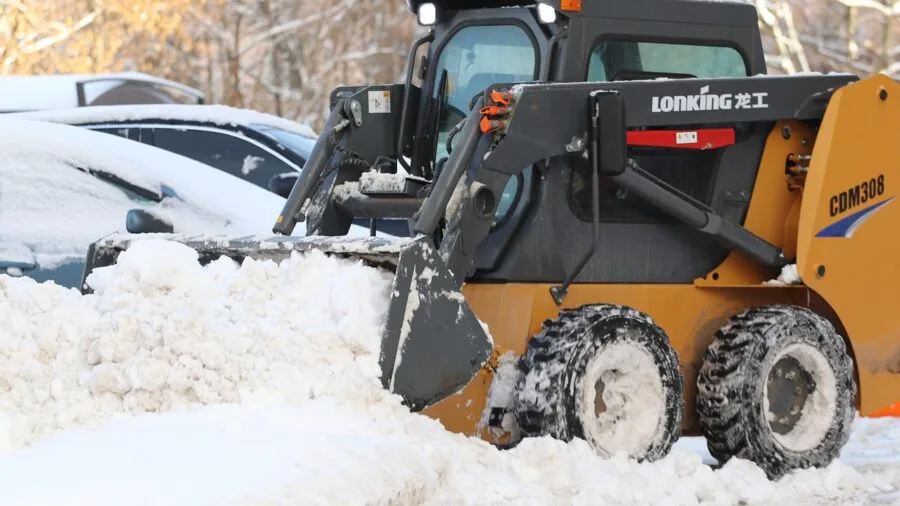
Even the most powerful throw is useless if you cannot direct it. Two features give you control: chute rotation and deflector angle. Rotating the chute determines the left-to-right direction of the snow stream.
Adjusting the deflector changes how high or low the snow shoots, which affects the distance and trajectory.
Chute Rotation
Most snow blowers have a crank or joystick to rotate the chute 180 degrees or more. For corner lots, being able to throw snow to the front yard from the driveway edge can save time.
But be aware that the angle relative to the wind also affects where snow actually lands.
Deflector Angle
Setting the deflector low sends snow in a flat trajectory that travels farther but may overshoot your target. A higher angle makes snow fall sooner, useful when you want to pile snow close to the driveway.
Adjusting the deflector on the fly as snow conditions change helps you maintain control.
Why Throw Distance Matters for Your Property
If your driveway is long and narrow, a short throw distance may require you to make multiple passes or clear in sections, piling snow further down the drive. That can be inefficient.
For a wide driveway or double-wide garage, you need enough reach to toss snow clear of the paved area. Our article on choosing the right snow blower size can help you match machine capability to your property.
Corner lots and properties near sidewalks require even more precision. You want to avoid dumping snow onto walkways or into the street, which can cause problems. Understanding your machine’s throw range lets you plan the clearing sequence.
Safety Considerations Around Cars, Windows, and People
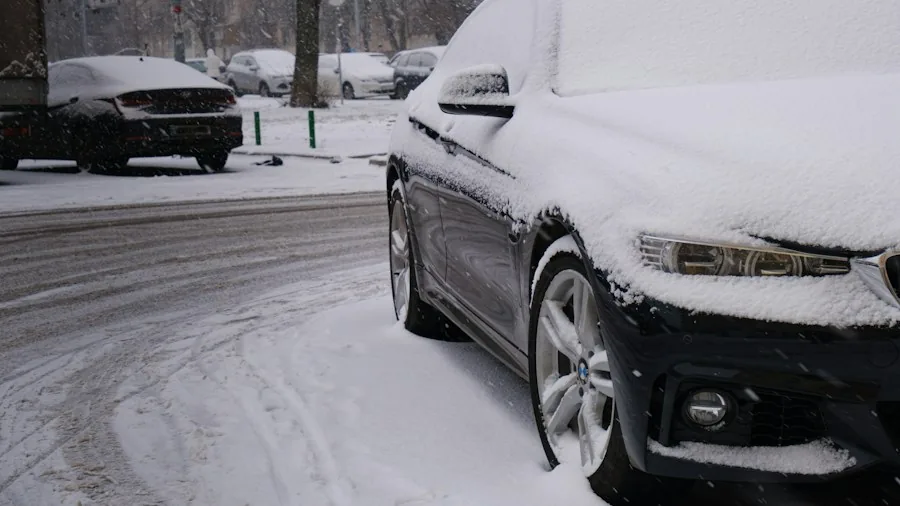
A snow blower that throws snow with force can also throw rocks, ice chunks, or debris hidden in the snow. Always wear eye protection and keep bystanders away.
When working near parked cars, direct the chute away from vehicles to avoid scratches or dents. Windows are fragile; even soft snow can crack a window if thrown hard enough.
Know where pets and children are before you start. The impeller can fling objects at high speed, and the chute controls should never be pointed at people.
If you are using a powerful two-stage machine, the range can exceed 40 feet, so maintain a generous safety perimeter. For more on machine selection, see our guide on choosing a snow blower.
Frequently Asked Questions
How far does a typical single-stage snow blower throw snow?
Single-stage models generally throw snow 10 to 20 feet, depending on snow conditions and power. They are best suited for small, flat driveways.
How far can a two-stage snow blower throw snow?
Two-stage machines can throw snow 30 to 50 feet or more in ideal conditions. The actual distance varies with impeller speed, snow type, and chute adjustment.
Can I increase the throw distance of my snow blower?
You can adjust the deflector to a lower angle to increase distance, but be careful not to overshoot your target. Modifying the machine’s impeller or engine is not recommended for safety reasons.
Does the chute rotation affect throw distance?
Chute rotation changes the direction but not the distance directly. However, wind can make snow appear to go farther or shorter depending on its direction relative to the chute.
What should I do if my snow blower doesn’t throw snow far enough?
Check the deflector angle first. Then inspect the impeller for ice buildup or damage. Wet snow may require slower clearing speed to allow the machine to process it effectively.
About the author

Harry writes reviews and buying guides for Snow Removal Wiki.