
How to Choose the Right Snow Blower Size for Your Home
Learn how to choose the right snow blower size by matching clearing width, intake height, and power to your driveway, snowfall, and surface type. Practical tips for every property.
 By Harry
Updated October 1, 2026
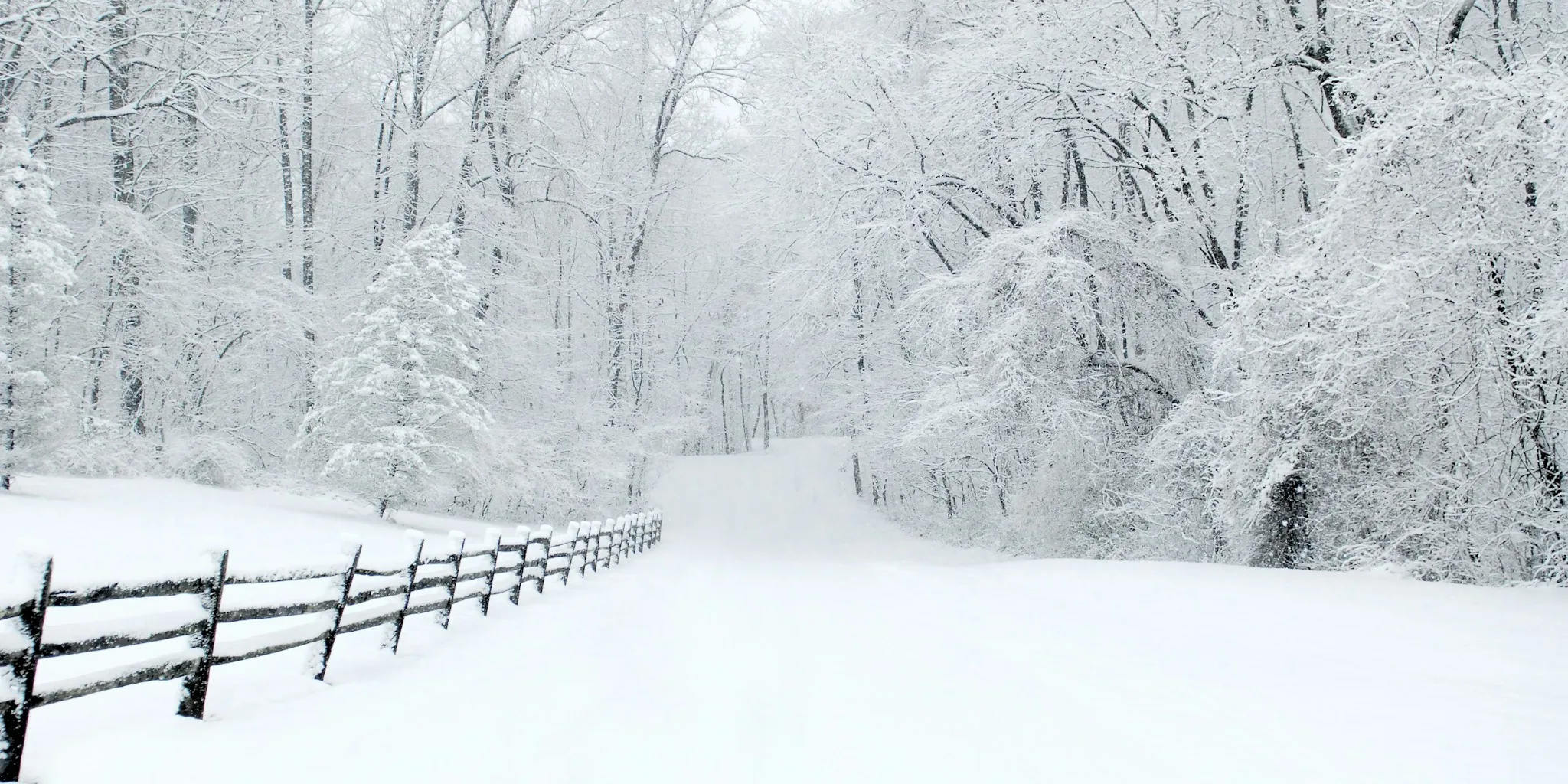
Choosing the right snow blower size can feel overwhelming with all the numbers and specs. The key is to match the machine to your specific property: driveway length and width, typical snowfall depth, and surface type like asphalt or gravel.
This guide walks you through the three critical dimensions: clearing width, intake height, and power. By the end, you will know exactly what to look for without guessing.
Match Clearing Width to Your Driveway and Walkways
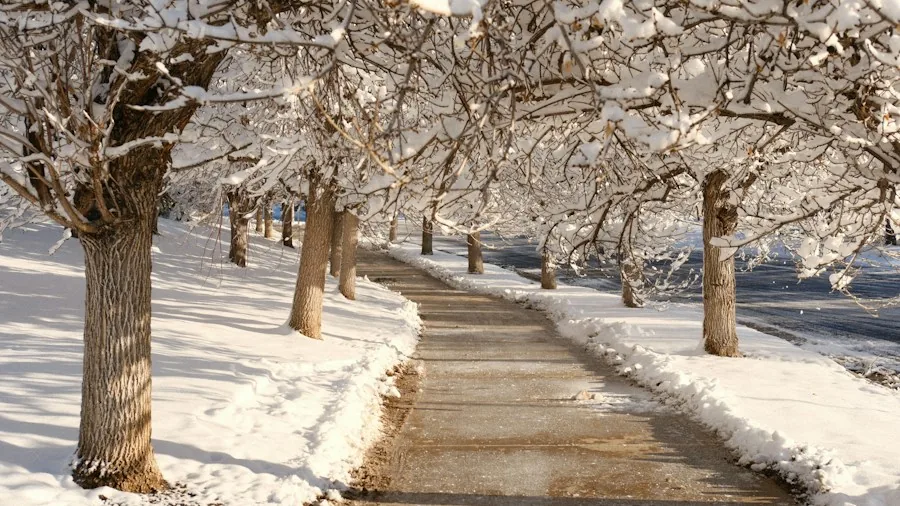
Clearing width determines how many passes you need to clear a path. For a single-car driveway (about 10 feet wide), a 20 to 22 inch width works well.
A two-car driveway (18 to 20 feet wide) benefits from a 24 to 28 inch width, cutting passes from six to four. Long driveways (over 100 feet) or commercial lots often require 30 inches or more to save time.
Sidewalks and narrow paths are best served by a compact 18 to 20 inch model. If you clear both a driveway and sidewalks, consider a machine with adjustable width or a two-stage unit that handles both efficiently.
For a deeper look at specific models, browse our detailed snow blower reviews.
Intake Height: How Deep Snow Can It Handle?

Intake height (or housing height) tells you the maximum snow depth the machine can ingest in one pass. Single-stage electric and gas models typically have intakes of 12 to 14 inches, enough for light to moderate snowfalls under 12 inches.
Two-stage snow blowers start at 16 inches and go up to 24 inches or more, handling heavy, wet snow and deep drifts.
If your area gets lake-effect snow or frequent storms over 12 inches, a two-stage with at least 18 inches of intake height is a smart choice.
For gravel driveways, look for models with adjustable skid shoes that let you raise the intake to avoid picking up stones. Many gas-powered snow blowers offer this feature standard.
Understanding Power: Engine CC and Battery Voltage
Power is often expressed as engine cc for gas models and voltage (V) or amp-hours (Ah) for battery models. In plain terms, more cc means more torque to chew through wet, heavy snow and throw it farther.
A 200cc engine handles a 24 inch wide path in heavy snow, while a 250cc or larger can push through deeper drifts and longer distances.
For battery models, voltage (36V, 60V, 80V) indicates the motor’s potential power, but amp-hours determine runtime. A higher voltage often means more torque, but you still need enough Ah to finish your driveway.
A 80V 4Ah battery can clear a typical two-car driveway on a single charge, while lower voltages may require swapping batteries for longer areas. If you prefer quiet, maintenance-free operation, explore battery-powered snow blowers that balance voltage and runtime.
For those with an outlet nearby, corded electric snow blowers offer unlimited run time and consistent power.
Special Considerations: Gravel, Slopes, and Storage
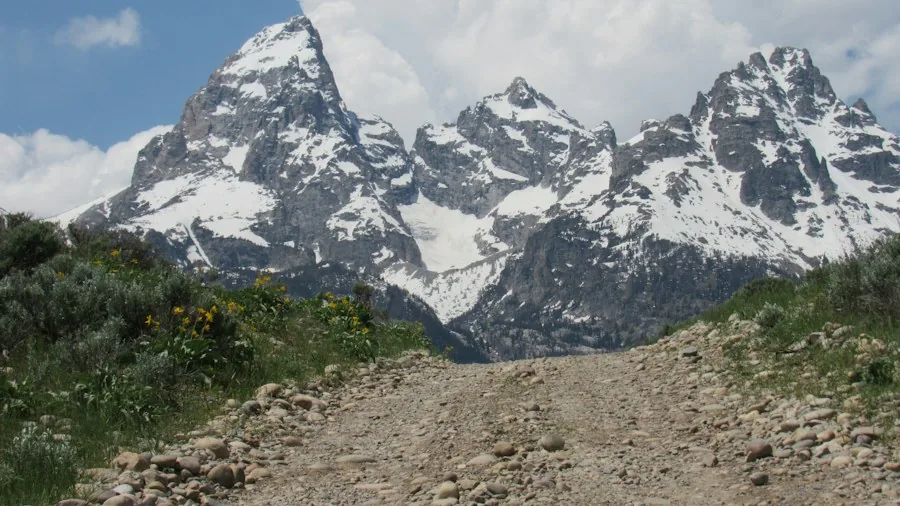
Gravel driveways require a snow blower with adjustable skid shoes to prevent scraping and stone throwing. Many two-stage models have this, and you can also add a gravel kit.
For sloped driveways, self-propelled or tracked models provide better traction and control; tracked machines are especially stable on icy inclines.
If you have limited storage space, consider a compact single-stage electric model that hangs on a wall or tucks into a corner. Always measure your garage or shed door width before buying.
For a complete roundup of options, check our top-rated snow blowers that cover different surfaces and storage needs.
Frequently Asked Questions
What size snow blower do I need for a two car driveway?
A two car driveway (roughly 18 to 20 feet wide) is best served by a snow blower with a clearing width of 24 to 28 inches and an intake height of at least 16 inches if you get moderate snowfall.
For heavy snow, step up to a two stage model with 18 inches or more intake.
Is a single stage or two stage better for heavy snow?
Two stage snow blowers are better for heavy, wet snow and deep drifts because they use an auger and an impeller to break up and throw snow. Single stage machines work well for light to moderate snow up to about 8 inches.
Can I use an electric snow blower on gravel?
Yes, but only if the model has adjustable skid shoes or a gravel kit to raise the scraper bar. Without these, electric snow blowers may pick up and throw gravel, which can damage the machine and your lawn.
How much power do I need for wet snow?
Wet, heavy snow requires more torque. For gas models, look for at least 200cc. For battery models, choose a higher voltage (60V or 80V) and a battery with high amp hours to maintain power through the whole job.
What is the difference between clearing width and intake height?
Clearing width is the path the machine clears in one pass (like a mower deck). Intake height is the maximum snow depth the auger can handle. Both matter: width affects speed, height affects ability to handle deep snow.
About the author

Harry writes reviews and buying guides for Snow Removal Wiki.