
Single Stage vs Two Stage vs Three Stage Snow Blowers: Which Is Right for You?
Learn the differences between single stage, two stage, and three stage snow blowers, plus gas, corded electric, and battery options. Find the right machine for your driveway and snow conditions.
 By Harry
Updated October 1, 2026
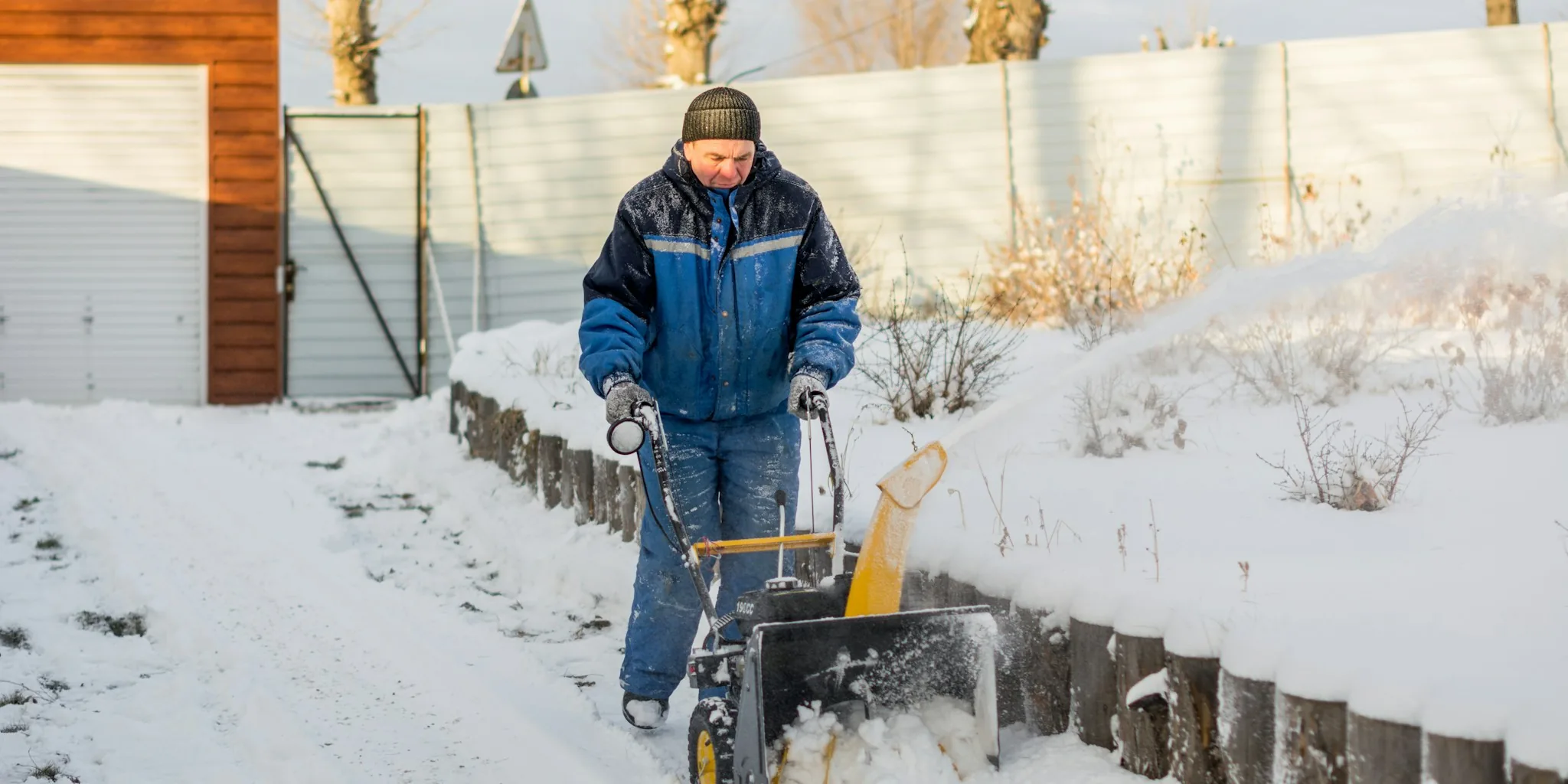
Choosing a snow blower can feel overwhelming with so many types and power sources available. The right machine depends on your typical snowfall, driveway size, surface type, and how much maintenance you are willing to handle.
This guide breaks down the three main stages (single, two, and three) and the three power options (gas, corded electric, and battery) so you can match a snow blower to your property with confidence.
Whether you clear a small city sidewalk or a long rural driveway, understanding these categories will save you time and money. We will explain what each type handles best and help you decide if a more powerful machine is worth the investment.
Understanding Snow Blower Stages

The stage of a snow blower refers to how many steps are involved in moving snow from the ground to the chute. More stages generally mean more power and the ability to handle deeper, heavier snow.
Single Stage Snow Blowers
Single stage machines use a single rotating auger that both scoops and throws the snow. They are lightweight, compact, and best suited for paved surfaces like sidewalks and small driveways with light to moderate snow (up to about 8 inches).
Because the auger contacts the ground, they can struggle on gravel or uneven surfaces and may pick up small stones. Single stage models are typically corded electric or battery powered, making them quiet and low maintenance.
Two Stage Snow Blowers
Two stage snow blowers add a separate impeller that accelerates snow through the chute after the auger collects it. This design allows them to handle deeper snow (up to 18 inches or more) and throw it farther.
The auger does not touch the ground, so they are safe for gravel driveways and uneven surfaces. Most two stage models are gas powered, though some battery powered versions are emerging.
They are heavier and more expensive than single stage units but offer greater capacity and durability. For many homeowners with medium to large driveways, a two stage machine is the sweet spot.
If you are considering a gas model, check out our recommendations for gas-powered snow blowers that balance power and reliability.
Three Stage Snow Blowers
Three stage snow blowers add an accelerator between the auger and impeller, effectively chopping and feeding snow faster. This makes them the most powerful consumer machines, capable of handling heavy, wet, or icy snow up to 24 inches deep.
They are ideal for large properties in regions that receive frequent, heavy snowfalls. Three stage models are almost exclusively gas powered and come with a premium price tag. If your winters are mild, the extra cost may not be justified.
For a broader look at what the market offers, browse our overview of snow blower types to compare features.
Choosing Your Power Source
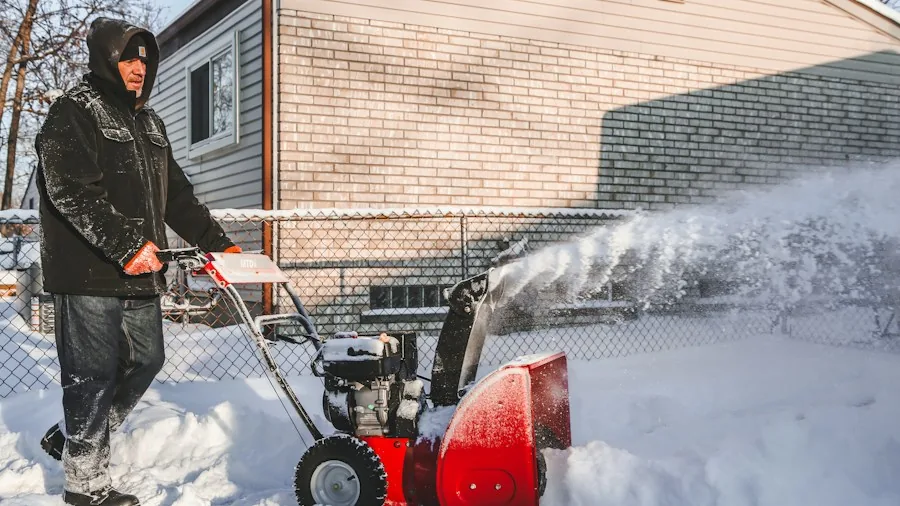
Beyond stages, the power source affects performance, convenience, and long term costs. Here is how gas, corded electric, and battery options compare.
Gas Snow Blowers
Gas snow blowers offer the highest power and run time. They are self propelled, handle deep snow easily, and can cover large areas without refueling.
The trade offs include engine noise, exhaust fumes, and regular maintenance like oil changes and fuel stabilizer. For heavy duty use, gas is often the best choice. Many top rated two and three stage models fall into this category.
Corded Electric Snow Blowers
Corded electric snow blowers are lightweight, quiet, and require almost no maintenance. They are limited by the length of the extension cord and the need for a nearby outdoor outlet.
Best for small, paved areas with moderate snow, they are also the most affordable option. If your driveway is compact and you have easy access to power, a corded model can be a great fit.
See our picks for corded electric snow blowers that deliver reliable performance.
Battery Powered Snow Blowers
Battery powered snow blowers combine the convenience of no cords with quieter operation and zero emissions. They are typically single stage or light duty two stage machines.
Run time depends on battery capacity and temperature, and you may need spare batteries for larger jobs. Advances in lithium ion technology have made them more capable, but they still cannot match gas models for extreme snow.
For moderate climates and smaller driveways, cordless electric models offer a clean, hassle free experience.
How to Match a Snow Blower to Your Property
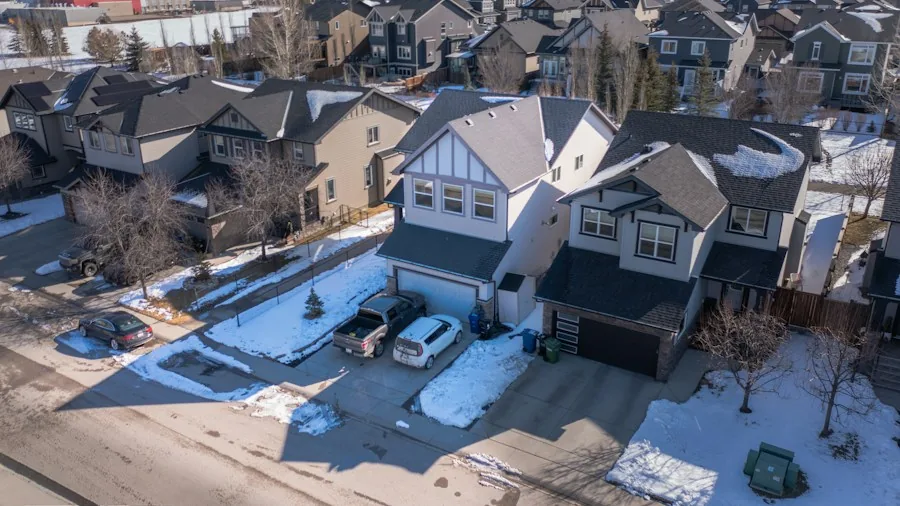
Start by measuring your driveway or walkway area and noting the typical snow depth in your region. Also consider the surface: paved, gravel, or uneven. For light snow on pavement, a single stage corded or battery unit works well.
For gravel or snow over 8 inches, a two stage gas or high end battery model is safer. If you face heavy, wet snow more than 18 inches deep, a three stage gas machine will save you time.
Budget and willingness to perform maintenance also factor in. For a curated list of high performing options, read our highly rated snow blowers that suit various needs.
Frequently Asked Questions
What is the difference between a single stage and two stage snow blower?
A single stage machine uses the auger to both scoop and throw snow, while a two stage adds a separate impeller to propel snow farther. Two stage models handle deeper snow and are better for gravel surfaces because the auger does not strike the ground.
Can I use a two stage snow blower on a gravel driveway?
Yes. Two stage snow blowers are designed with the auger raised off the ground, so they do not pick up gravel. Adjust the skid shoes to maintain proper clearance.
Are battery snow blowers powerful enough for heavy snow?
Modern battery powered models can handle moderate snow up to about 10 inches, but heavy wet snow may require a gas machine. For light to medium snowfall, a battery model is a convenient and quiet alternative.
How do I maintain a gas snow blower?
Basic maintenance includes checking oil, changing spark plugs, using fresh fuel with stabilizer, and cleaning the carburetor at season end. Always refer to your owner’s manual for specific intervals.
Is a three stage snow blower worth the extra cost?
If you regularly deal with over 18 inches of heavy or icy snow on a large property, a three stage machine can save significant time and effort. For lighter conditions, a two stage model is more cost effective and still very capable.
About the author

Harry writes reviews and buying guides for Snow Removal Wiki.