
Are Battery Powered Snow Blowers Worth It? What to Know
Wondering if a battery snow blower can handle your driveway? We break down power, battery life, cold weather performance, and how it compares to gas to help you decide.
 By Harry
Updated October 1, 2026
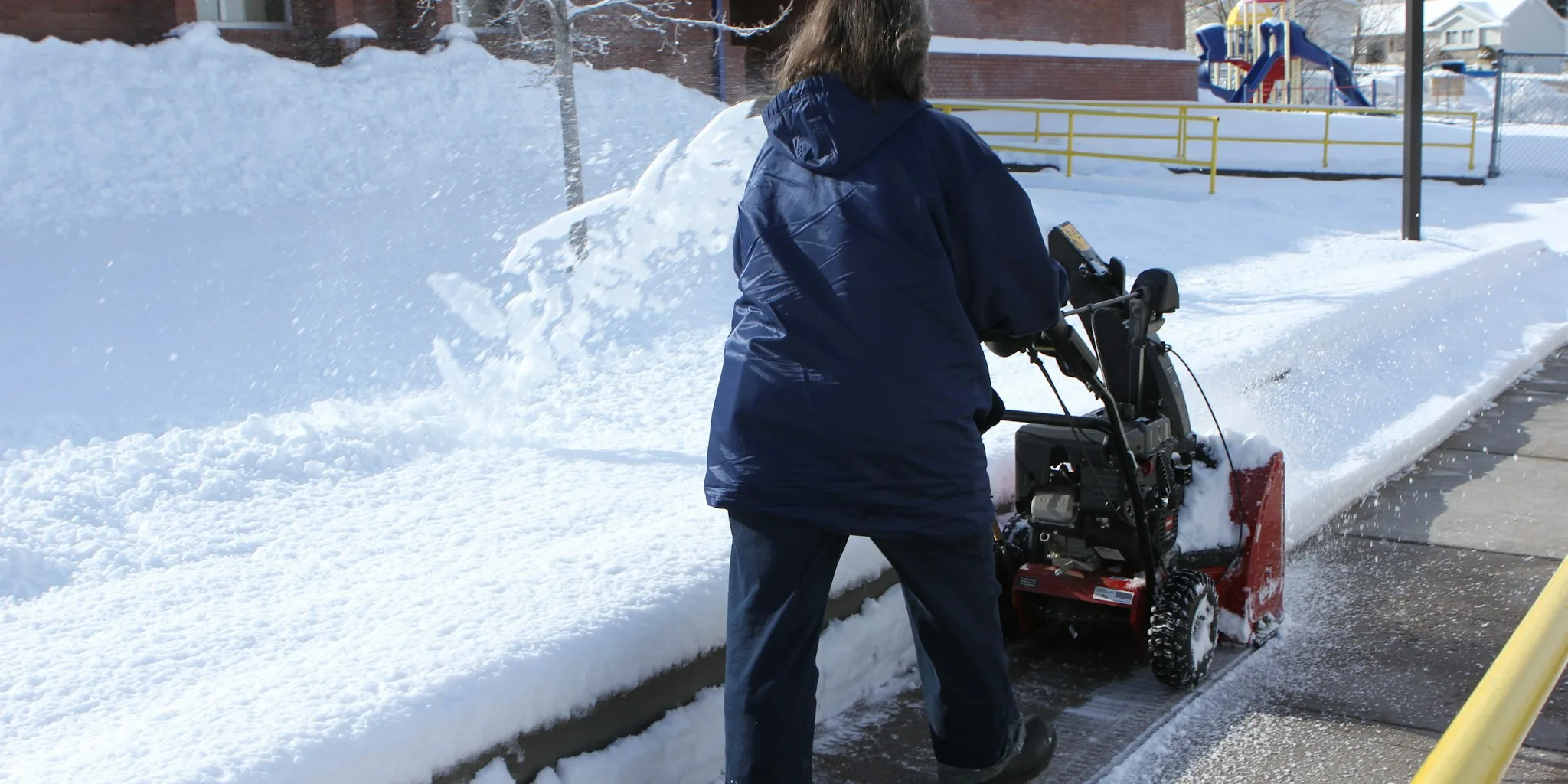
If you are shopping for a snow blower, you have likely noticed the growing number of battery powered models on the market. They promise quieter operation, no fumes, and less maintenance than gas machines.
But are they actually capable of clearing your driveway in a typical winter storm? This article walks through the real world factors that determine whether a battery powered snow blower is a smart investment for your property.
Power and Performance for Everyday Snow
Modern battery snow blowers have improved dramatically in power. A single stage 40V or 60V model can handle 6 to 9 inches of light fluffy snow without trouble.
For wet, heavy snow or the compacted piles left by plows at the end of a driveway, you will want a two stage battery machine with a higher voltage drivetrain and larger auger.
These electric machines can move snow at speeds comparable to a gas unit, but they have limits.
If your driveway receives frequent heavy wet snowfalls, a corded electric snow blower offers unlimited runtime and consistent power, while a battery model may struggle if the snow is extremely dense and the battery is low.
Some owners find that a battery snow blower works perfectly for the first hour of a storm but then loses momentum as the battery drains. The key is matching the machine’s rated clearing depth and width to your typical storm.
If you regularly receive more than 12 inches, consider a cordless snow blower with dual batteries and a high torque motor.
Cold Weather Battery Performance

Lithium ion batteries lose capacity in freezing temperatures. Most manufacturers rate their batteries to operate down to around 10°F, but below that you may notice shorter runtime and reduced power.
To get the most out of your batteries, store them indoors when not in use and keep them on the charger until you are ready to work.
Some high end battery snow blowers include battery heaters or insulated compartments to mitigate cold weather drain.
If you live in an area that regularly sees subzero temperatures during storms, a battery snow blower may still work, but you should plan on needing extra batteries and shorter work sessions.
Runtime and Battery Management

Runtime per charge varies widely based on snow condition, temperature, and the machine’s power draw. A typical 5.0Ah battery can run a single stage blower for 20 to 30 minutes of continuous heavy use.
Two stage models draw more current and may run 15 to 25 minutes per pair of batteries. For a standard two car driveway, you will likely need two to four batteries to finish the job without recharging.
Many manufacturers sell kits that include two batteries and a fast charger. If you are new to battery powered gear, consider how many other tools in your garage share the same battery platform.
Investing in a battery powered snow blower that uses the same batteries as your leaf blower or lawn trimmer can make the system more cost effective.
Upkeep Compared With Gas Snow Blowers
The most compelling reason to go battery is maintenance. Gas snow blowers require annual oil changes, spark plug replacement, fuel stabilizer, and carburetor cleaning if they sit idle for months.
Battery models need almost nothing: keep the batteries charged, check the auger bolts, and sharpen the scraper blade occasionally. There is no gas to smell, no pull cord to break, and no oil to dispose of.
For homeowners who want to avoid the hassle of small engine maintenance, a battery machine is a much simpler option.
If you still need a machine for extreme conditions, keep in mind that a gas snow blower will always have more raw power but requires consistent seasonal maintenance.
Who Should Still Choose Gas

Battery snow blowers are not for everyone. If your driveway is very long or you face heavy snowfalls of 18 inches or more regularly, gas remains the more reliable choice.
Gas machines also tend to be lighter for their power output than battery units with large capacity packs.
If you need to throw snow a long distance or clear heavily compacted snow at the end of the driveway, a gas two stage blower will outperform most battery models.
However, for the majority of suburban homeowners with standard driveways and occasional heavy storms, a modern battery snow blower can be a satisfying, low maintenance alternative.
For a balanced view of your options, browse the snow blowers available and compare specs like clearing width, amp hours, and weight.
Frequently Asked Questions
How long do battery snow blowers last before needing a recharge?
Runtime depends on battery size and workload. A 5Ah battery on a single stage blower may last 20, 30 minutes under heavy use, while two 7.5Ah batteries on a two stage can give you 25, 40 minutes.
Plan on having at least two sets of batteries for typical driveway clearing.
Can battery snow blowers handle wet, heavy snow?
Yes, but with limits. Two stage battery models with high torque motors can manage several inches of wet snow. For very deep or slushy conditions, you may need to reduce the clearing width and take multiple passes.
Do batteries work well in freezing temperatures?
Lithium ion batteries lose performance below 10°F. Storing them indoors and warming them just before use helps. Some brands offer cold weather packages with battery heaters to extend operation in extreme cold.
How many batteries do I need to clear a standard driveway?
For a two car driveway of about 500, 800 square feet, expect to need 3, 4 batteries if they are 4, 6Ah each. Buying a kit that includes two large batteries and a fast charger is a good starting point.
About the author

Harry writes reviews and buying guides for Snow Removal Wiki.