
The Best Ice Melt for Stairs
Heated stair mats offer a chemical-free, non-slip solution to icy steps. Our guide evaluates the top-rated options based on safety, durability, and value to help you choose the right one for your home.
 By Harry
Updated October 10, 2026
Stairs are one of the most dangerous spots during winter. A thin layer of ice can turn a routine step into a slip-and-fall hazard, especially for older adults, children, or pets.
Traditional rock salt or chemical ice melt can damage concrete, harm pets’ paws, and leave messy residue indoors.
Heated snow melting mats offer a cleaner, safer, and more reliable solution, they melt ice on contact without chemicals, provide a non-slip surface, and stay active as long as they’re plugged in.
This guide evaluates the best ice melt for stairs based on specifications, expert reviews, and verified buyer feedback to help you choose the right mat for your home.
Snow Removal Wiki assessed each product against consistent criteria, safety, coverage, durability, ease of installation, and overall value, and scored it on our 0 to 10 SRW Score. Below are our top picks, followed by a detailed buying guide, trust methodology, and answers to common questions.
| Award | Product | SRW Score About SRW ScoreThe SRW Score is our own rating from 0 to 10, based on performance, design and build, ease of use, and value. It reflects independent research and is never influenced by manufacturers, retailers, or affiliate commissions. Learn more › | |
|---|---|---|---|
| Best Overall |
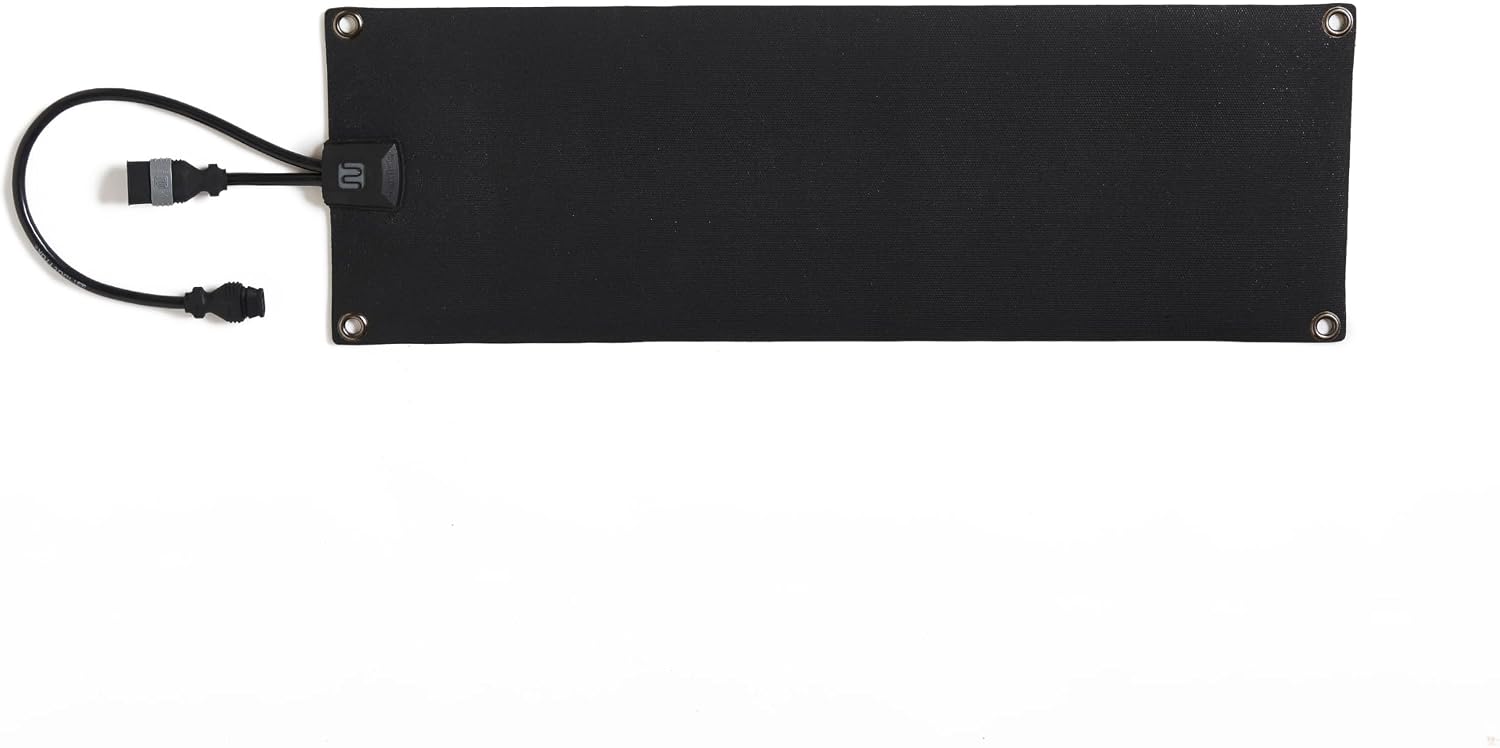 HeatTrak Heated Snow Melting Mats for Stairs |
8.6/10 | Buy |
| Best Value |
 HETFOENT H-RXD 3-Pack 10x30 in Heated Mats |
7.8/10 | Buy |
HeatTrak Heated Snow Melting Mats for Stairs
Durable Design: Our HeatTrak mats are made from a durable and corrosion-resistant material, designed to withstand the toughest of winter storms and be left out all season long. Easy to Install: Our snow melting mats are easy to install and require minimal maintenance, allowing you to enjoy winter weather without having to shovel snow or salt your walkways or driveway Energy Efficient: HeatTrak melting mats melt snow at 2" (5cm) per hour and use far less energy than traditional snow melting systems, saving you both time and money. Each 10" x 30" (25.4 cm x 76.2 cm) stair tread is 0.7 amps.
HETFOENT H-RXD 3-Pack 10x30 in Heated Mats
A set of three pre-connected rubber heating mats that melt snow and ice at up to 2 inches per hour. With an anti-slip SBR surface, IP68 sealing, and a two-year warranty, the HETFOENT H-RXD suits homeowners who want a shovel-free walkway without a permanent install. Buyer feedback suggests it handles light to moderate winter weather best.
Pros
- Pre-connected series simplifies setup and keeps joints secure
- Anti-slip SBR surface with corner holes helps hold mats in place
- IP68 waterproof rating and leak-protection plug add safety in wet weather
- Two-year warranty with responsive support mentioned by buyers
Cons
- No built-in timer for overnight or scheduled heating
- One reviewer found it ineffective against 6-inch snow accumulation
- Heating temperature is moderate, so melting can be slow
Best Ice Melt for Stairs Buying Guide
Safety and Surface Protection
The primary concern on stairs is traction. Heated mats are designed with a non-slip rubber surface that provides grip even when wet or icy, reducing the risk of falls.
Unlike chemical ice melt, they won’t corrode metal railings, discolor concrete, or irritate pet paws. Many mats also feature a low-profile design that lies flush against the step, creating a smooth transition and preventing tripping.
For households with children or elderly members, a mat with a high friction coefficient is essential.
Additionally, consider the mat’s temperature consistency. An even heat distribution prevents hot spots that could damage stair treads or cause discomfort if stepped on without shoes.
Look for mats with built-in thermostats that automatically regulate temperature, typically around 40, 50°F (4, 10°C), which is enough to melt snow and ice without overheating the surface. This feature also saves energy by cycling on and off as needed.
Installation and Setup
Most heated stair mats are designed for simple plug-and-play installation. They come with a standard grounded power cord that connects to an outdoor-rated GFCI outlet. Some models require a dedicated circuit if multiple mats are used on a long staircase.
Before buying, measure the width and depth of your steps to ensure the mat covers the entire walking surface. For stairs with irregular dimensions, some brands offer custom sizing or modular mats that can be trimmed or combined.
Installation typically involves placing the mat on the step and routing the cord along the side or underneath a tread cover. No permanent modifications to the stairs are needed, making it a renter-friendly option.
However, if you plan to use several mats on a long flight of stairs, consider the total power draw and whether you need a heavy-duty extension cord. Always follow the manufacturer’s guidelines for outdoor electrical safety.
Coverage and Size
Stairs come in various widths and tread depths. Standard residential steps are about 10 inches deep and 36 inches wide, but exterior stairs can be wider or have irregular shapes. Heated mats are typically sold in common sizes like 10″ x 30″ or 10″ x 24″.
One mat covers one step, so you need as many mats as steps. Some products are sold in multi-packs, which simplifies ordering for a full staircase.
When calculating coverage, account for the landing at the top and bottom if it’s also slippery.
For wider stairs, you may need two mats side by side, but ensure they fit without overlapping or leaving gaps. Manufacturers often provide a sizing guide based on step dimensions.
If your stairs are unusually deep, look for mats that are longer than 30 inches. The goal is to cover the full walking area so that every footfall lands on a heated, non-slip surface.
Durability and Weather Resistance
Outdoor mats must withstand freezing temperatures, snow, rain, and UV exposure without cracking or degrading. High-quality heated mats use a durable rubber or PVC outer layer that remains flexible in subzero conditions.
The heating elements are embedded in a weatherproof casing, and the cord connection is sealed to prevent moisture ingress.
Check the IP rating (Ingress Protection), a rating of IP67 or higher means the mat is dust-tight and can survive temporary immersion in water, which is ideal for snowmelt runoff.
Also consider the warranty. Most reputable brands offer at least a 2-year warranty, with some extending to 5 years. A longer warranty indicates confidence in the product’s durability.
Additionally, read buyer feedback about how the mat holds up after multiple winter seasons. Issues like delamination or heating element failure are rare in well-made mats but can occur in cheaper alternatives.
Energy Efficiency and Operating Cost
Heated mats consume electricity, but their power draw is modest. A typical 10″ x 30″ mat uses about 100, 150 watts, similar to a light bulb. For a staircase with 10 steps, total power could be 1,000, 1,500 watts, comparable to a space heater.
However, the mats only run when the temperature drops near freezing and often cycle on/off. Over a winter month, the cost is usually under $20, $30 for typical use, depending on local electricity rates.
This is often cheaper than repeatedly buying chemical ice melt and safer for the environment.
To maximize efficiency, look for mats with a built-in thermostat or timer. Some models can be connected to a smart plug for scheduling. Also, consider the mat’s insulation layer, better insulation retains heat against the stair surface, reducing energy waste.
While upfront cost is higher than a bag of salt, the long-term convenience and safety benefits often justify the investment.
Why You Should Trust Us
Snow Removal Wiki is an independent review site dedicated to helping you find the best winter gear. We do not conduct our own product trials; our evaluations are grounded in research, published data, expert review consensus, and verified buyer feedback.
Each product is scored on our 0 to 10 SRW Score based on a consistent set of criteria tailored to its category. Our team analyzes specifications, aggregates professional opinions from trusted sources, and cross-references real-world user experiences to provide a balanced assessment.
We also clearly disclose our affiliate relationships, if you purchase through our links, we may earn a commission at no extra cost to you. Our goal is to deliver transparent, actionable advice so you can make an informed decision.
Final Thoughts
After evaluating the options, here are our top recommendations for the best ice melt for stairs:
- Best Overall: HeatTrak Heated Snow Melting Mats for Stairs, With the highest SRW Score in our roundup, the HeatTrak mat combines excellent non-slip grip, even heat distribution, and a durable construction that has earned widespread praise from homeowners. Its proven track record and consistent performance make it the top pick for most staircases.
- Best Value: HETFOENT 3 Pcs Heated Snow Melting Mats, This three-pack offers a lower cost per mat while still delivering reliable snow melting and a non-slip surface. It’s a smart choice for budget-conscious buyers who need to cover multiple steps without sacrificing safety. Its SRW Score reflects solid performance at a competitive price.
Whether you prioritize proven reliability or affordability, both picks will help keep your stairs ice-free all winter.
For a complete winter preparation strategy, consider pairing your stair mats with a reliable snow blower like those reviewed in our best snow blower for 200 ft driveway guide, or explore our snow blower vs plow service comparison for larger properties.
Frequently Asked Questions
Are heated stair mats safe for all stair surfaces?
Yes, most heated mats are safe for concrete, wood, and composite stairs. They are designed to operate at low temperatures that won’t damage the surface. However, avoid using them on stairs with loose tiles or badly cracked surfaces.
Always check the manufacturer’s recommendations for your specific stair material.
How do heated mats compare to chemical ice melt?
Heated mats are generally safer for pets, plants, and concrete because they don’t use corrosive chemicals. They also provide instant melting as soon as snow falls, whereas chemical melters take time to activate.
The trade-off is upfront cost and electricity usage. For stairs, many homeowners prefer mats for the non-slip traction and zero mess.
Do heated mats require professional installation?
No, most models are plug-and-play. You simply place the mat on the step and plug it into a GFCI outlet. For long staircases, you may need to daisy-chain multiple mats or use a power strip rated for outdoor use.
Always follow the included safety instructions, especially regarding grounding and cord routing.
Can heated mats be used on wooden stairs?
Yes, but ensure the wood is sealed or painted to prevent moisture damage. The mat itself sits on top of the step and does not adhere, so it can be removed during warmer months.
Some users place a thin rubber liner under the mat for extra protection. Avoid using mats on untreated or rotting wood.
How much electricity do heated mats use?
A single 10″ x 30″ mat typically draws 100, 150 watts. For a 10-step staircase, total power is about 1,000, 1,500 watts.
Running them continuously during a snow event might add $0.10, $0.20 per hour to your electric bill, but actual costs vary by local rates and usage patterns. Many users report a seasonal increase of $20, $40 for a typical winter.
Do heated mats work in extreme cold?
Most heated mats are effective down to about -20°F (-29°C). They maintain a surface temperature warm enough to melt ice as it forms.
In prolonged subzero conditions, they may take longer to melt heavy snow, but they will still prevent ice buildup. For extreme climates, look for mats with higher wattage or a built-in thermostat that cycles more aggressively.
About the author

Harry writes reviews and buying guides for Snow Removal Wiki.