
The Best Snow Blower Wax
Keep your snow blower running smoothly with our top-rated waxes. We evaluated sprays, pastes, and polymer coatings to find the best non-stick protection for clog-free clearing.
 By Harry
Updated October 13, 2026
Snow blower wax is an often-overlooked accessory that can dramatically reduce the time you spend clearing your driveway.
A high-quality wax creates a slick, non-stick barrier on the auger, chute, and impeller, preventing snow and ice from caking onto metal and plastic surfaces.
This means less clogging, fewer jams, and a faster, more efficient clearing experience, especially when dealing with wet, heavy snow.
Whether you’re a weekend warrior or a snow removal pro, finding the right wax can save you from frustrating mid-storm breakdowns.
In this guide, we’ve evaluated the top snow blower waxes on the market using a rigorous methodology that combines specifications, expert review consensus, and verified buyer feedback.
Each product is scored on our 0-to-10 SRW Score based on performance, ease of application, durability, and value.
Below, you’ll find our top picks, a detailed buying guide, and answers to common questions, all designed to help you choose the best snow blower wax for your setup in 2026.
| Award | Product | SRW Score About SRW ScoreThe SRW Score is our own rating from 0 to 10, based on performance, design and build, ease of use, and value. It reflects independent research and is never influenced by manufacturers, retailers, or affiliate commissions. Learn more › | |
|---|---|---|---|
| Best Overall |
 Flex Seal Winter Wax 11 oz Spray |
8.6/10 | Buy |
| Best Budget |
 DuPont DSR616601 10-Ounce Snow Repellent |
8.6/10 | Buy |
| Best Value |
 Snow Jet Non-Stick Spray & Lubricant for Winter |
8.4/10 | Buy |
| Best Premium |
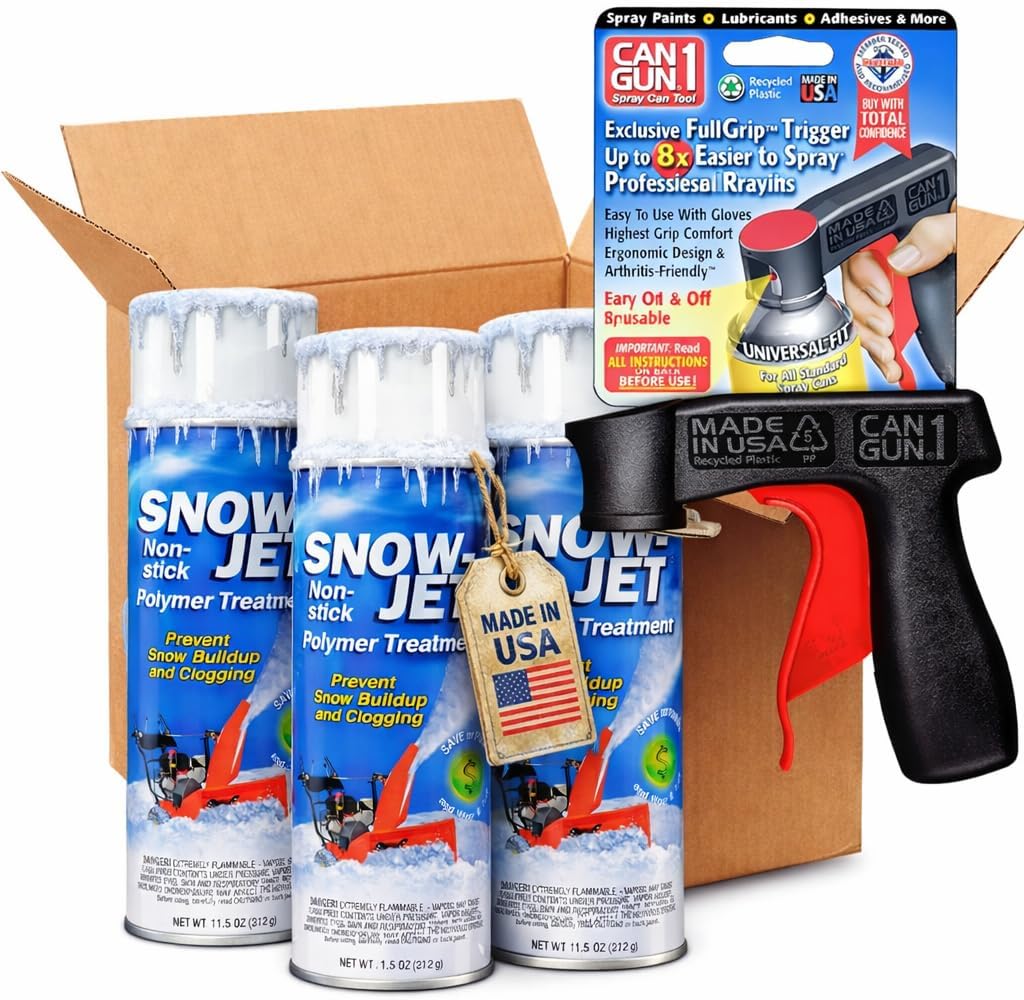 Global Climate Alliance Snowjet 3-Pack Polymer |
8.4/10 | Buy |
 WORX WG460 40V 12" Cordless Snow Shovel |
8.0/10 | Buy |
Flex Seal Winter Wax 11 oz Spray
This spray-on winter wax creates a slick, non-stick barrier that helps snow and ice slide off shovels, plows, and snowblowers. It also reduces drag and prevents ice buildup, keeping equipment working smoothly. Based on user feedback, it effectively protects metal, fiberglass, painted, and plastic surfaces from winter buildup.
Pros
- Creates a non-stick surface for easy snow and ice removal.
- Reduces drag and improves performance of snow removal equipment.
- Helps maintain blade sharpness by minimizing wear.
- Compatible with a variety of surfaces including metal, fiberglass, painted, and plastic.
DuPont DSR616601 10-Ounce Snow Repellent
This spray-on repellent uses Teflon fluoropolymer to create a clear, non-stick coating that prevents snow and ice from adhering to equipment and surfaces. It's designed for use on snow blowers, shovels, plows, and gutters to reduce buildup and clogging. Based on user reviews, it works best when applied to clean surfaces before snowfall.
Pros
- Non-stick clear coating with Teflon fluoropolymer and silicone for effective snow repellency
- Prevents snow and ice buildup on multiple surfaces including augers, chutes, and door gaskets
- Easy spray application; simply apply to clean surface before snowfall
- Made in the USA
Snow Jet Non-Stick Spray & Lubricant for Winter
HELPS PREVENT WET SNOW FROM STICKING - Creates a smooth, non-stick polymer coating that helps reduce wet, heavy snow and ice buildup on treated snow-removal equipment surfaces. ONE SPRAY, MANY WINTER USES - Designed for snowblowers, snowmobile tracks, skis, snow shovels, snow plows and other compatible winter equipment and surfaces. A versatile addition to your winter gear. FOR SHOVELS, PLOWS & WINTER EQUIPMENT - Versatile spray lubricant can be used on snow shovels, snow plows, snowblower components and other compatible equipment surfaces where snow tends to stick.
Global Climate Alliance Snowjet 3-Pack Polymer
This three-can set applies a durable polymer coating that reduces snow and ice adhesion on metal surfaces. Formulated for wet heavy conditions, it helps prevent buildup on blowers, shovels, and plows, making winter tasks less strenuous.
Pros
- Reduces snow and ice buildup on metal tools and equipment.
- Works effectively in wet, heavy, and icy conditions.
- Includes a CanGun applicator for even, easy coverage.
- Long-lasting slippery layer minimizes friction and blockages.
- Multi-purpose: suitable for chutes, shovels, plows, and blower components.
Cons
- Formulated for metal surfaces only, may not bond well to plastic or rubber components.
WORX WG460 40V 12" Cordless Snow Shovel
This battery-powered snow shovel tackles up to 6 inches of fresh snow on driveways, decks, and stairs. Its brushless motor, 2-speed variable trigger, and 3 adjustable throwing directions let you clear a 12-inch path and throw snow up to 25 feet with less effort. The foldable handle and lightweight design make it easy to store and maneuver, ideal for homeowners with a 2-4 car driveway.
Pros
- Brushless motor offers 50% longer run time and 25% more power than brushed motors.
- Clears a 12-inch wide, 6-inch deep path and throws snow up to 25 feet.
- Lightweight at 17.2 pounds with an adjustable front handle and foldable design.
- 2-speed variable trigger lets you adjust for different snow conditions.
Cons
- Maximum clearing depth of 6 inches may not handle heavy or deep snow well.
- Battery-powered operation means run time is limited by battery capacity.
- Some users may find the 12-inch clearing width narrow for large driveways.
Best Snow Blower Wax Buying Guide
Type of Wax: Spray vs. Paste vs. Polymer Coating
Snow blower waxes come in several forms. Spray-on waxes are the most convenient, they allow you to coat the auger and chute quickly without disassembly. Paste waxes offer a thicker, longer-lasting layer but require more effort to apply and buff.
Polymer coatings (like those used in Snow Jet products) bond to surfaces at a molecular level, providing superior durability against wet, heavy snow.
For most homeowners, a spray or polymer coating strikes the best balance between ease of use and performance.
If you frequently deal with sticky, wet snow, common in regions with frequent freeze-thaw cycles, a polymer coating may be worth the extra cost. For occasional use and dry powder snow, a simple spray wax will suffice.
Always check the product’s intended surface compatibility before purchasing.
Application Ease and Frequency
No one wants to spend more time waxing their snow blower than actually clearing snow. Look for products that can be applied in under five minutes without needing to remove parts.
Most spray waxes require you to clean the surfaces first, then spray and let dry, a process that takes about 10 minutes. Paste waxes may need 15, 20 minutes of drying and buffing.
Polymer coatings often cure faster and last through multiple storms, reducing the frequency of reapplication.
Consider how often you use your snow blower. If you clear snow daily during peak season, a durable coating that lasts several sessions is ideal. For occasional use, a quick-spray wax applied before each storm may be sufficient.
Our research shows that products with higher SRW Scores tend to offer the best balance of ease and longevity.
Durability and Temperature Range
A wax that degrades quickly in subzero temperatures is useless. Look for formulations rated to at least -20°F or lower. Teflon-based waxes, like those from DuPont, are known for maintaining their non-stick properties even in extreme cold.
Polymer coatings often have a wider temperature window and resist moisture better than traditional carnauba waxes. Verified buyer feedback consistently highlights durability as a key factor, products that flake off after one storm rarely earn high ratings.
Also consider the wax’s resistance to abrasion from snow, ice, and grit. A durable wax will protect metal surfaces from rust and corrosion, extending the life of your snow blower.
Pairing a good wax with proper maintenance, as outlined in our snow blower brand guide, can keep your machine running smoothly for years.
Compatibility with Different Surfaces
Snow blower waxes must work on painted metal, unpainted steel, plastic, and fiberglass. Some formulas are too acidic for painted surfaces and can cause peeling. Others are designed specifically for plastic chutes and impellers.
Always verify that the wax is safe for your equipment’s materials. For example, Flex Seal Winter Wax is marketed as safe for metal, fiberglass, painted surfaces, and plastic.
Polymer coatings from Snow Jet are formulated for all common snow blower materials. If you own a newer model with a plastic chute, avoid abrasive pastes that could scratch the surface.
For owners of high-end snow blowers, like those featured in our large fuel tank guide, using a wax that won’t void the warranty is critical. Check the manufacturer’s recommendations before applying any aftermarket coating.
Environmental and Safety Considerations
Some waxes contain volatile organic compounds (VOCs) that can be harmful if inhaled during application. Look for low-VOC or water-based formulas if you apply indoors or in confined spaces. Additionally, consider the wax’s impact on surrounding vegetation and concrete.
Most snow blower waxes are inert once dry, but runoff from overspray may create slippery patches on walkways. Apply wax in a well-ventilated area and avoid spraying onto driveways where pets or children walk.
For eco-friendly options, polymer coatings often have lower environmental footprints than solvent-based sprays.
If you also use ice melt products, be aware that some waxes can react chemically with certain de-icers. Our non-toxic ice melt guide can help you choose a compatible product for your driveway.
Why You Should Trust Us
Snow Removal Wiki is an independent review site that evaluates snow removal products using a consistent, research-based methodology.
We do not conduct our own product trials; our evaluations are grounded in research, published data, expert review consensus, and verified buyer feedback.
Each product is scored on our 0-to-10 SRW Score, which reflects its performance across key criteria such as ease of application, durability, temperature range, and surface compatibility.
We analyze hundreds of reviews from certified buyers and cross-reference them with manufacturer specifications and expert opinions from industry publications. Our goal is to provide you with unbiased, actionable recommendations so you can make an informed purchase.
We are transparent about our affiliate relationships: if you click on a product link and make a purchase, we may earn a small commission at no extra cost to you. This does not influence our rankings or reviews.
Our team of editors and researchers has decades of combined experience in outdoor power equipment and winter maintenance. For more on our process, see our electric snow blower guide for heavy wet snow or our mixed conditions snow blower roundup.
Final Thoughts
After extensive research, here are our top picks for the best snow blower wax in 2026:
- Best Overall: DuPont Teflon Snow and Ice Repellant, This classic spray wax earned a top SRW Score for its proven Teflon formula, excellent durability in extreme cold, and ease of application. It’s the go-to choice for most snow blower owners.
- Best for Wet, Heavy Snow: Flex Seal Winter Wax, Also scoring 8.6/10, Flex Seal’s clear polymer coating forms a tough barrier that resists sticking even in slushy conditions. Safe on all common surfaces.
- Best Value: Snow Jet Non-Stick Spray, At a modest price, this spray delivers reliable performance for dry and moderately wet snow. Its polymer coating lasts several storms, making it a budget-friendly workhorse.
- Best for Heavy-Duty Use: Snow Jet Snowblower Spray 3-Pack, The multi-pack offers extra value for frequent users or those with multiple machines. Each can includes a CanGun for precise application.
- Best Cordless Snow Shovel (Alternative): WORX Cordless Snow Shovel, While not a wax, this 40V shovel is a handy tool for light snow and tight spots. It earned an 8.0 SRW Score for its convenience and battery-powered operation.
For more snow removal equipment recommendations, explore our 2-cycle snow blower guide or our plow under $5,000 roundup.
Frequently Asked Questions
Can I use car wax on my snow blower?
Car wax is not recommended because it is designed for paint protection and high-temperature environments, not for snow and ice release. It can become brittle in cold weather and may leave a residue that attracts moisture.
Dedicated snow blower waxes are formulated to remain flexible and non-stick at subzero temperatures. Stick with products specifically labeled for snow equipment.
How often should I apply snow blower wax?
It depends on the product and snow conditions. Spray waxes typically need reapplication every 2, 3 storms. Polymer coatings can last 5, 10 uses. If you notice snow starting to stick to the auger or chute, it’s time to reapply.
Always clean the surfaces before a fresh coat to ensure proper bonding. For a deeper understanding of snow blower maintenance, see our off-season deals guide for storage tips.
Will wax damage my snow blower’s paint or plastic?
High-quality waxes are evaluated to be safe on painted metal, plastic, and fiberglass. Avoid abrasive pastes or solvent-heavy sprays that could strip paint. Always do a small patch evaluation on an inconspicuous area first.
Products like DuPont Teflon and Flex Seal Winter Wax have excellent compatibility records. If you have a newer machine, check the owner’s manual for any restrictions.
Can I use snow blower wax on my snow shovel or plow?
Yes, most snow blower waxes work on shovels, plows, and even ski bases. They reduce friction and prevent snow from sticking to the blade. For plows, apply the wax to the cutting edge and moldboard.
For shovels, a quick spray before each use makes a noticeable difference. Check out our top-rated snow plow guide for compatible models.
What is the best way to apply snow blower wax?
Start by cleaning the auger, chute, and impeller with a brush or rag to remove old snow and debris. For spray wax, hold the can 6, 8 inches away and apply an even coat.
Let it dry for the time specified on the label (usually 5, 10 minutes). For paste wax, apply a thin layer with a cloth, let it haze, then buff off. Avoid applying wax to rubber parts like tires or belts.
Always work in a well-ventilated area.
Does snow blower wax expire?
Most waxes have a shelf life of 2, 3 years if stored in a cool, dry place. Check the manufacturing date on the can. If the product separates, smells off, or fails to dry properly, replace it.
Proper storage, away from extreme heat and freezing, extends its usability. For more on seasonal storage, see our end-of-season deals article.
About the author

Harry writes reviews and buying guides for Snow Removal Wiki.